Some of the most famous words in Australian English were never invented here at all — they were borrowed, mostly from the languages of the Sydney region (Dharug), simply because that's where the earliest colonial contact and word-recording happened. Many of these languages are still spoken and being revived today; the words below are a small, everyday reminder that they were here first.
This isn't folklore or Dreaming material — it's documented linguistic history. The first loanword into English wasn't French or Latin. It was Aboriginal, and Captain Cook's expedition wrote the first one down in 1770.
The First Aussie Slang Wasn't Even English
The video companion to this page — kangaroo, boomerang, dingo and more, and the real Aboriginal languages they come from.
A note on how we talk about these words
These words come from specific Aboriginal nations and languages — not a single generic "Aboriginal language." Wherever it's known, we've named the actual language (Dharug, Guugu Yimithirr, Wiradjuri, Yagara, Gundungurra, Gangulu, Gamilaraay and others) because that's both more accurate and more respectful than just saying "Aboriginal word for...".
Many of these languages were nearly lost through colonisation and are now being actively revived by their communities. These everyday words are a living link to that — not just trivia.
Kangaroo →
From gangurru in Guugu Yimithirr — the language of the Guugu Yimithirr people, around present-day Cooktown, Queensland. Documented by Captain Cook's expedition in 1770, it's the first Aboriginal word ever recorded into English.
Gangurru specifically named one type of large kangaroo — the language actually had at least eight different kangaroo terms. (More on the popular myth about this word below.)
Source language: Guugu Yimithirr🦘 Animals
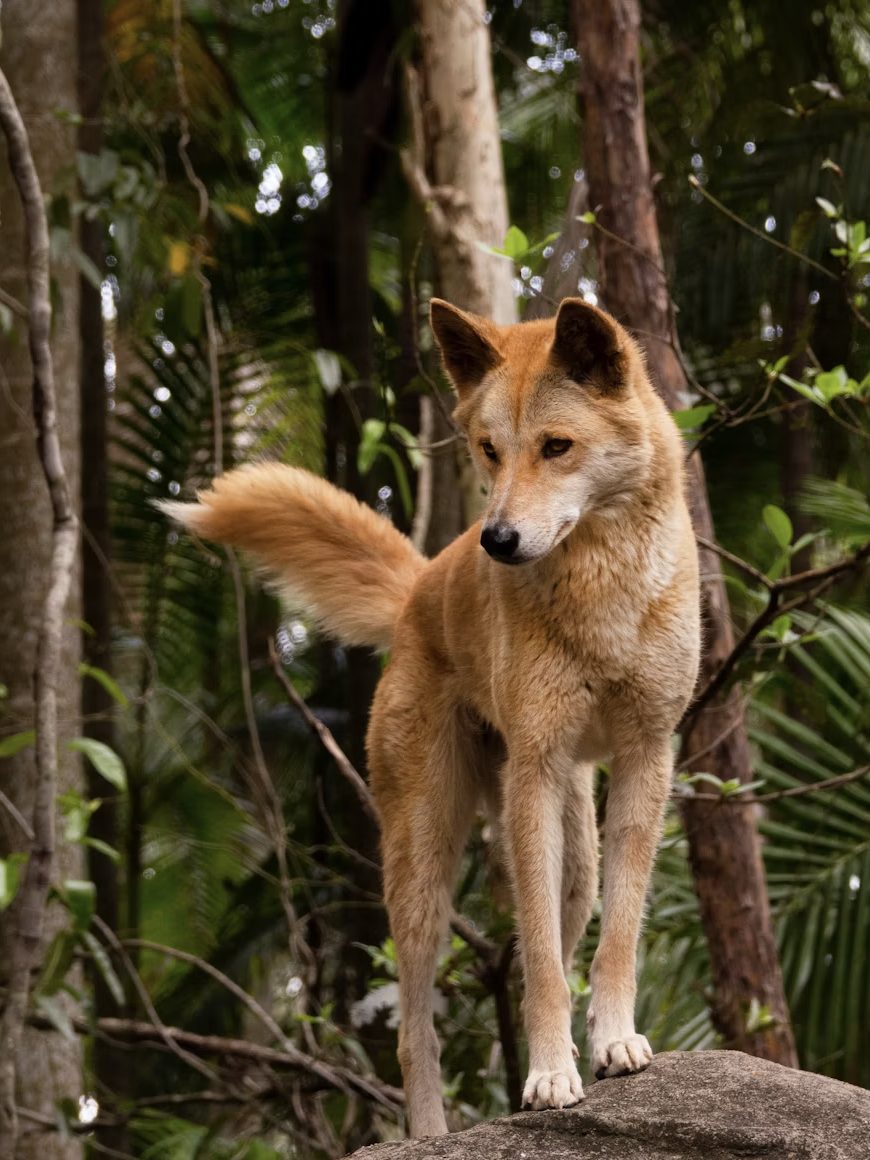
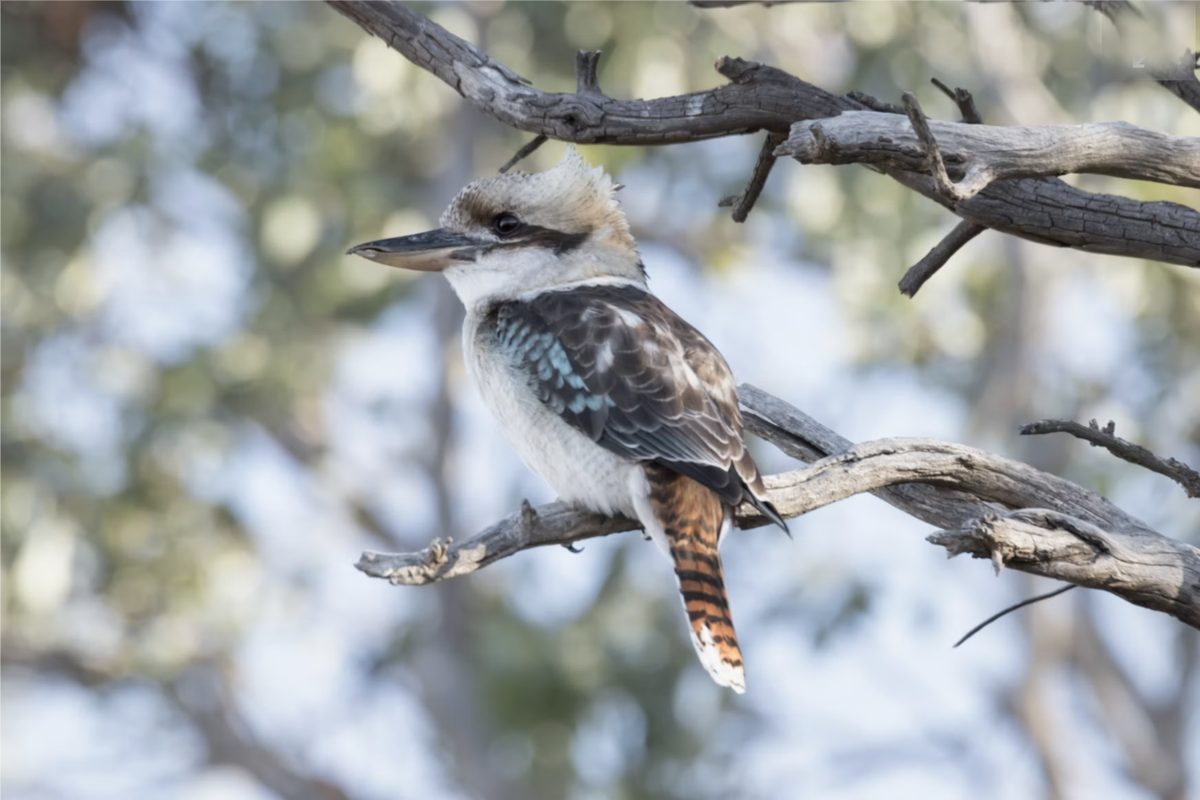
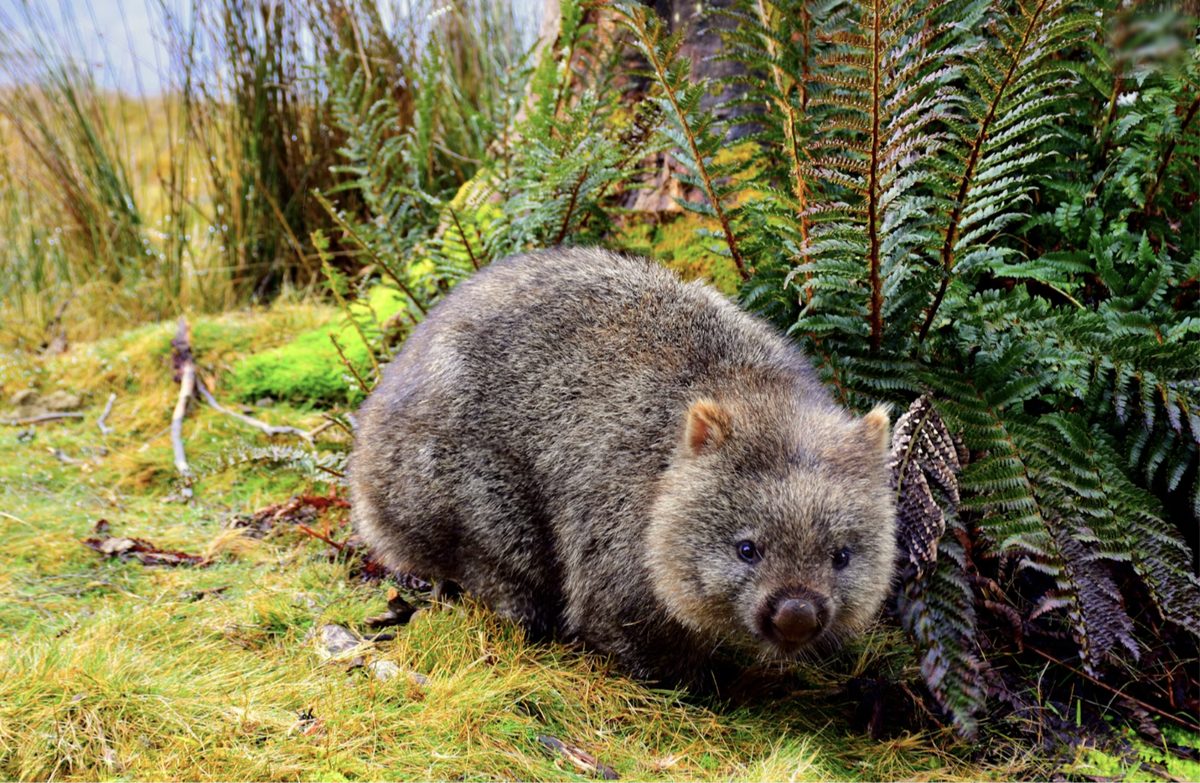
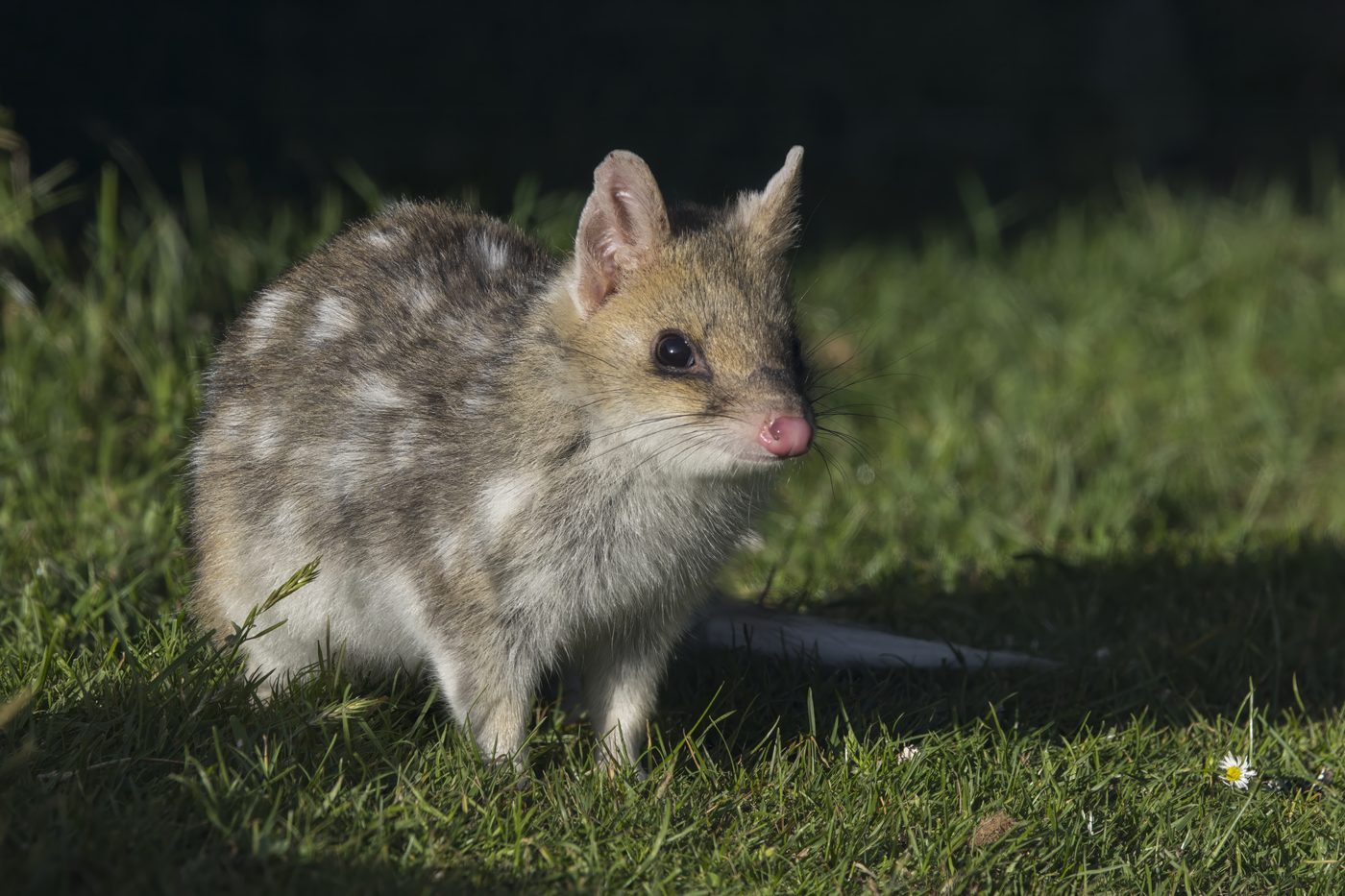
English didn't have words for most of these — there was nothing else to call them, so it borrowed.
 ▶
▶ ▶
▶ ▶
▶ ▶
▶ ▶
▶ ▶
▶ ▶
▶ ▶
▶ ▶
▶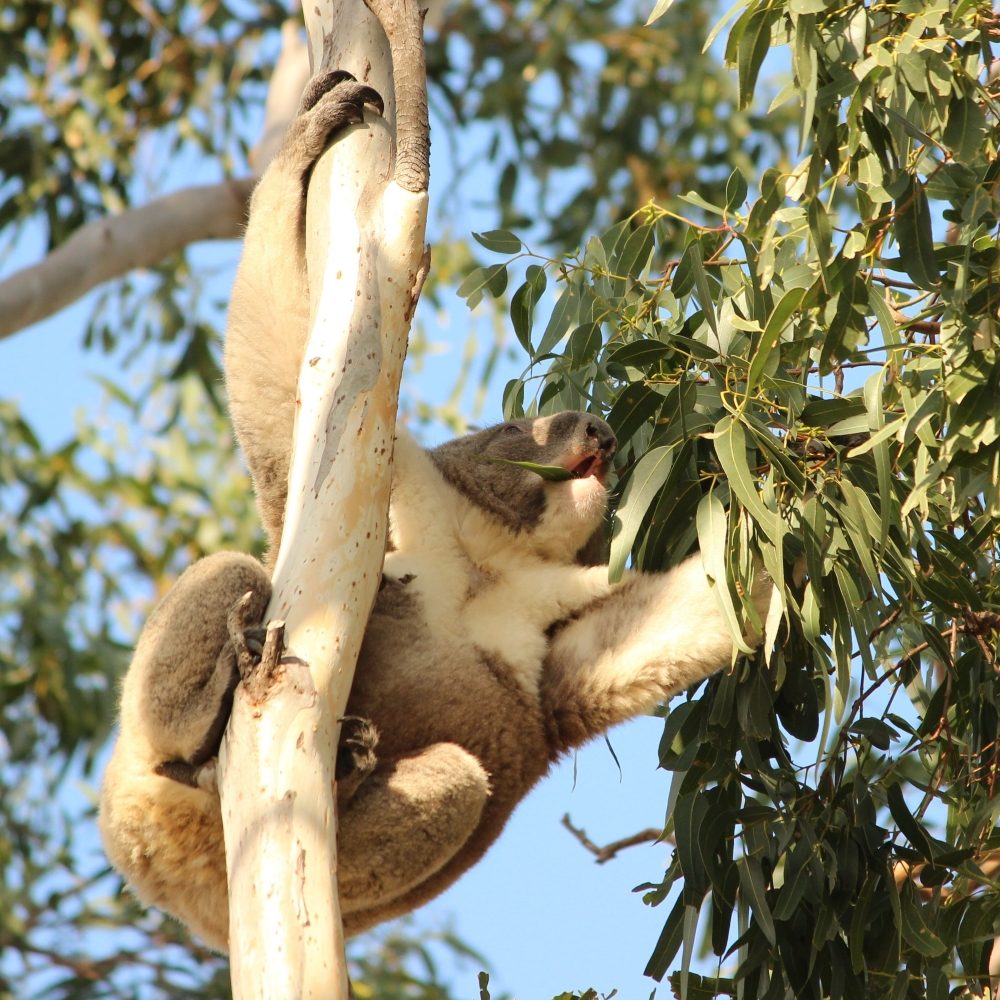
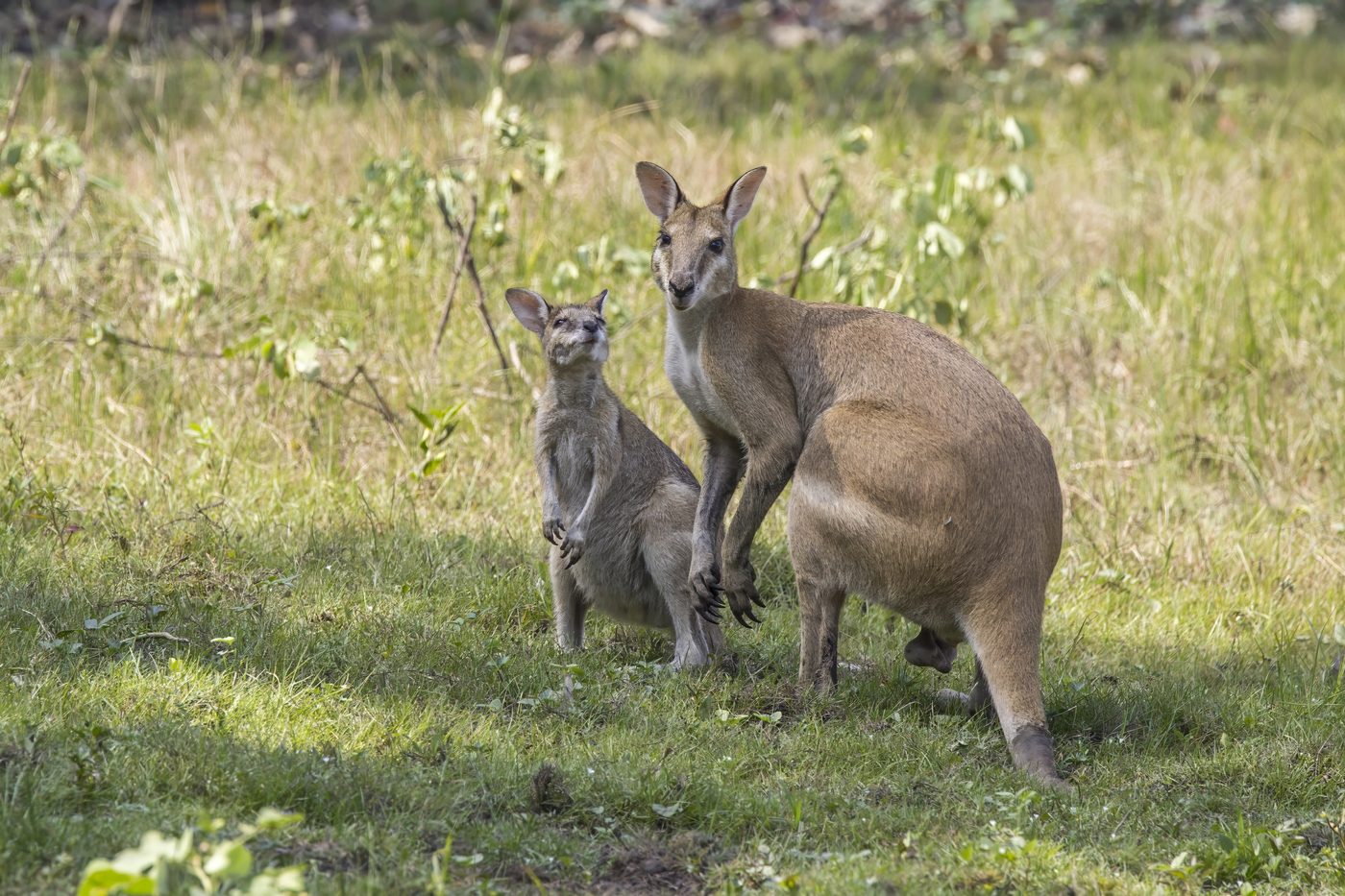
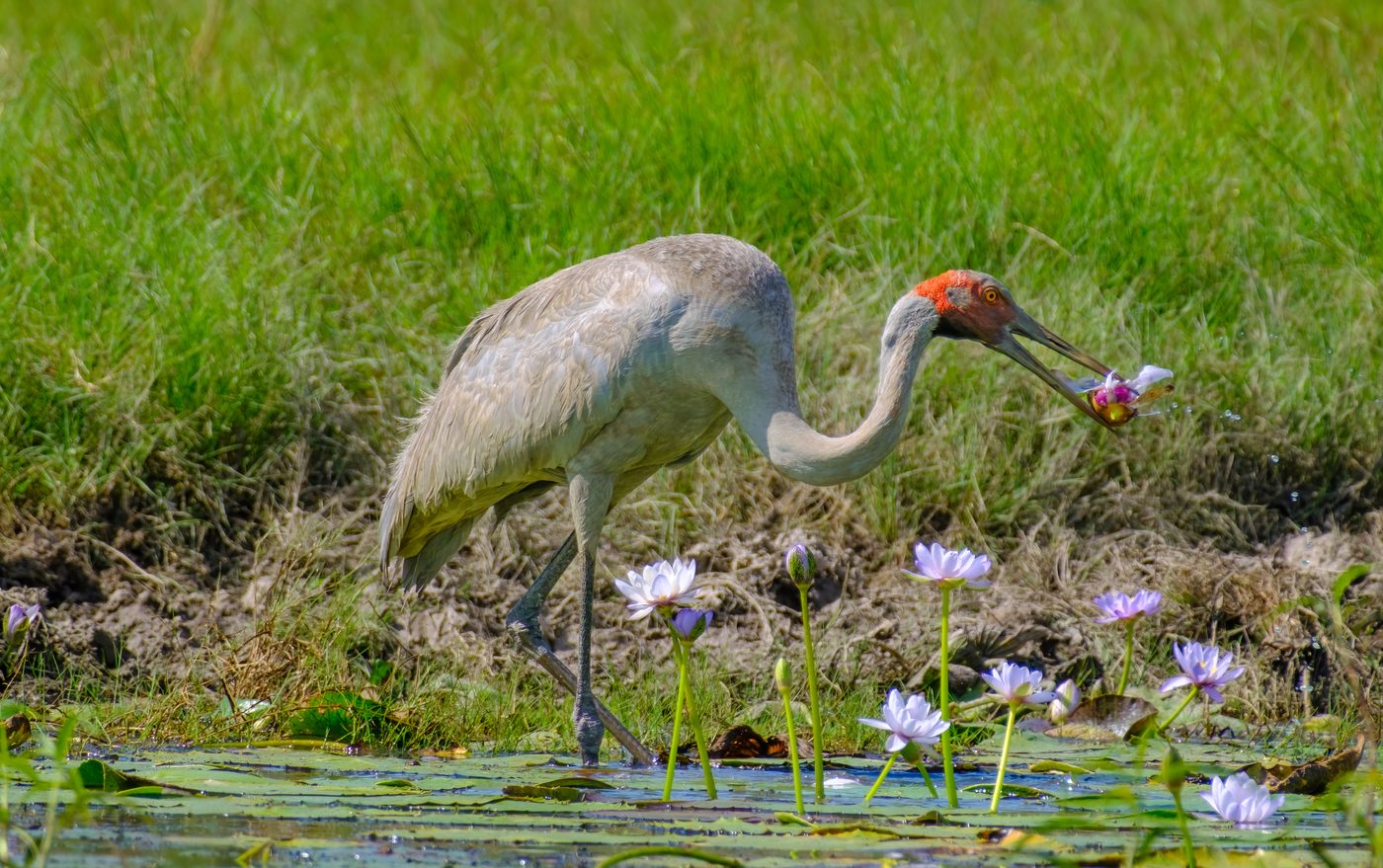
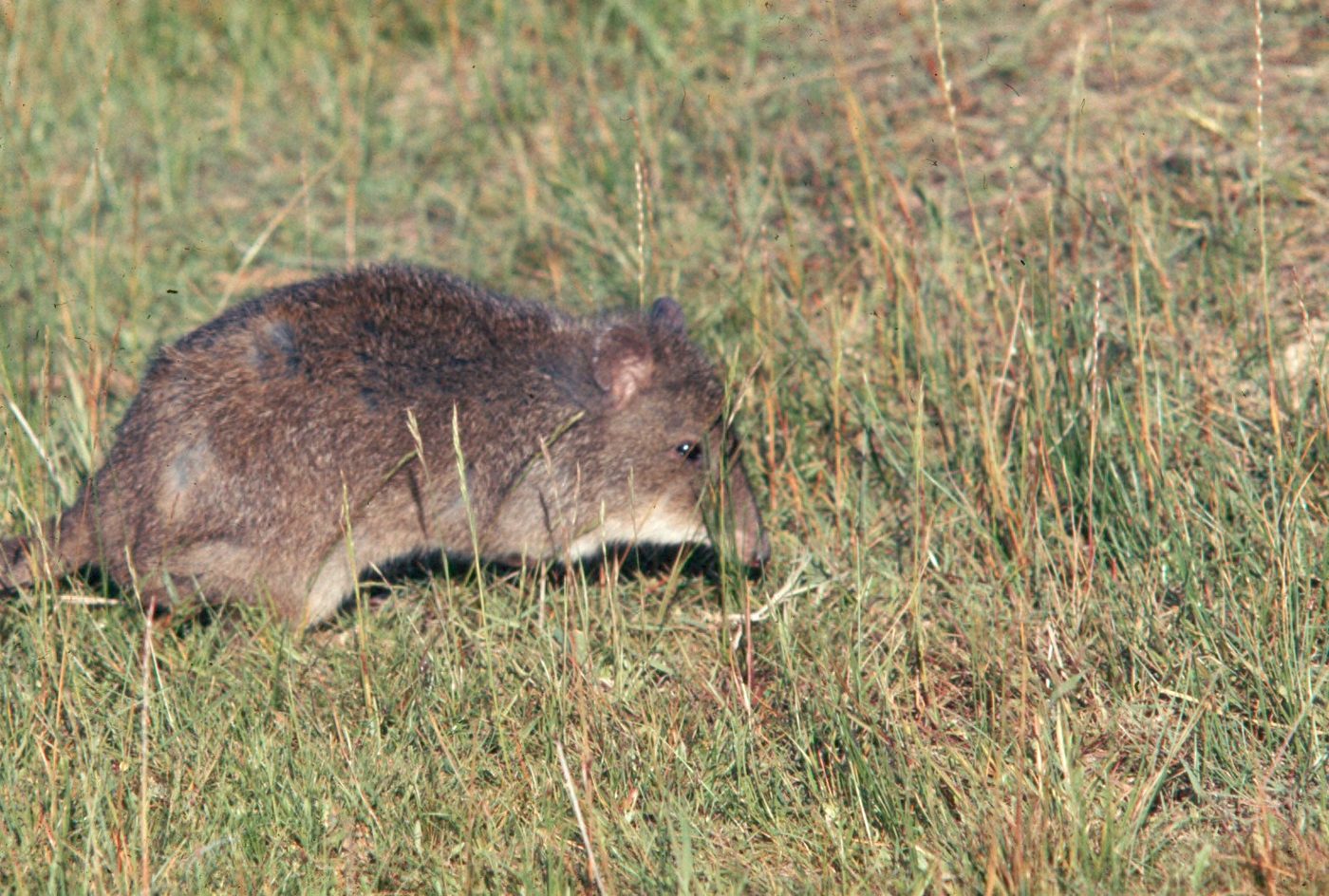
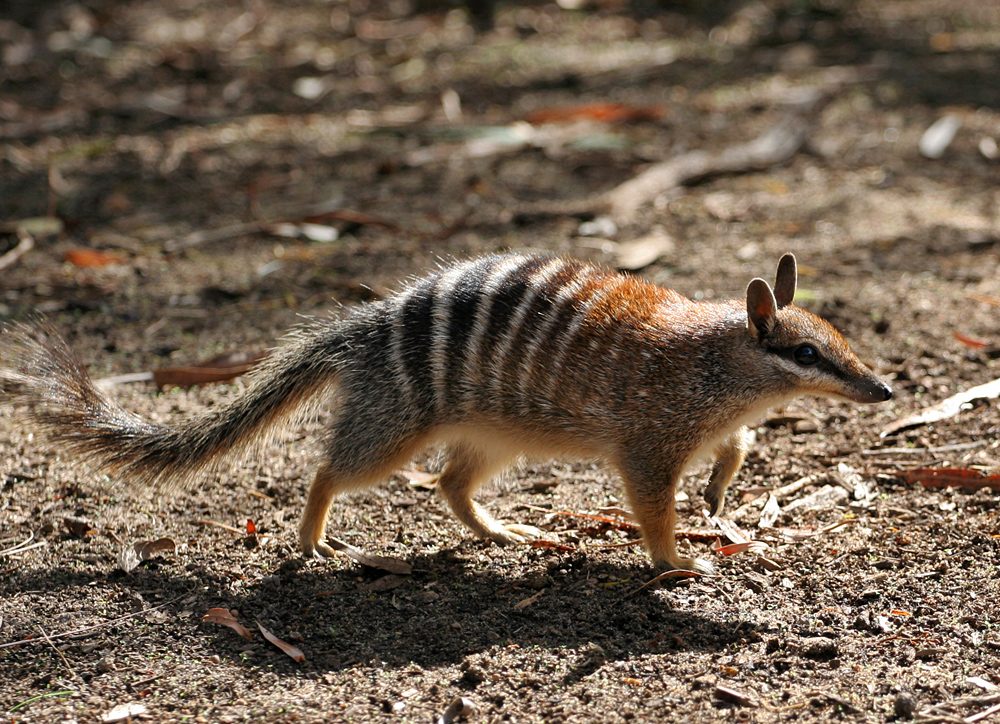
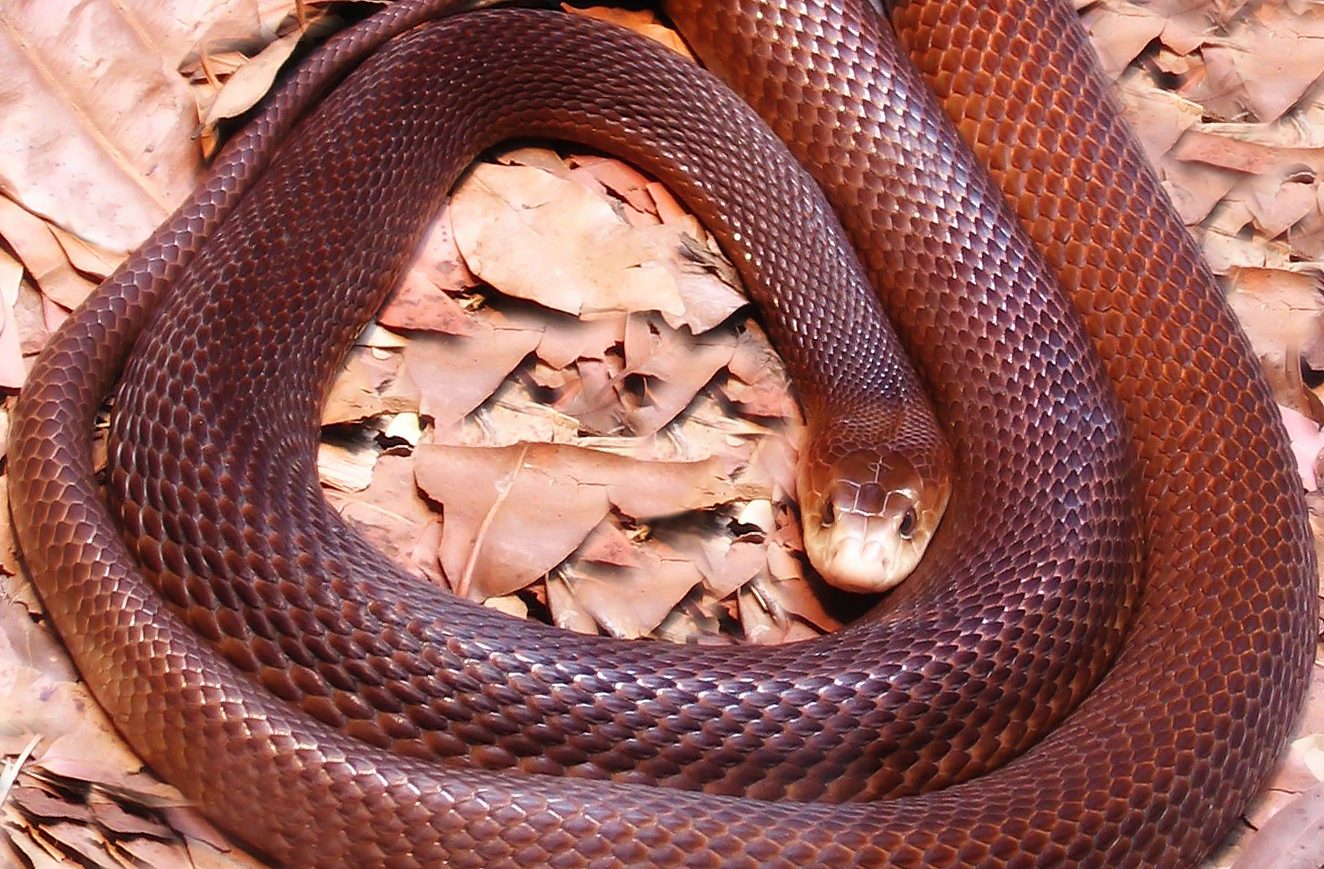
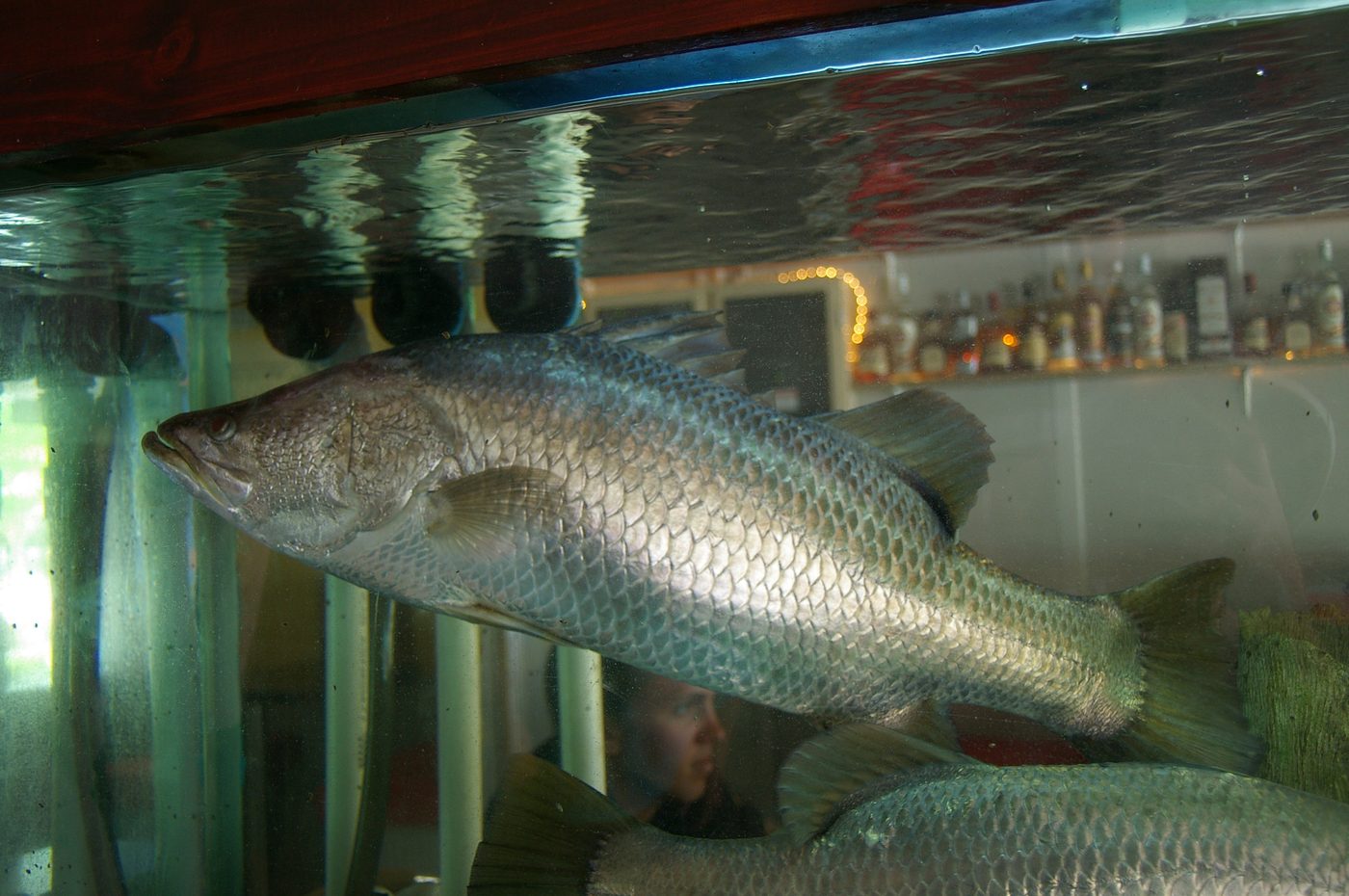
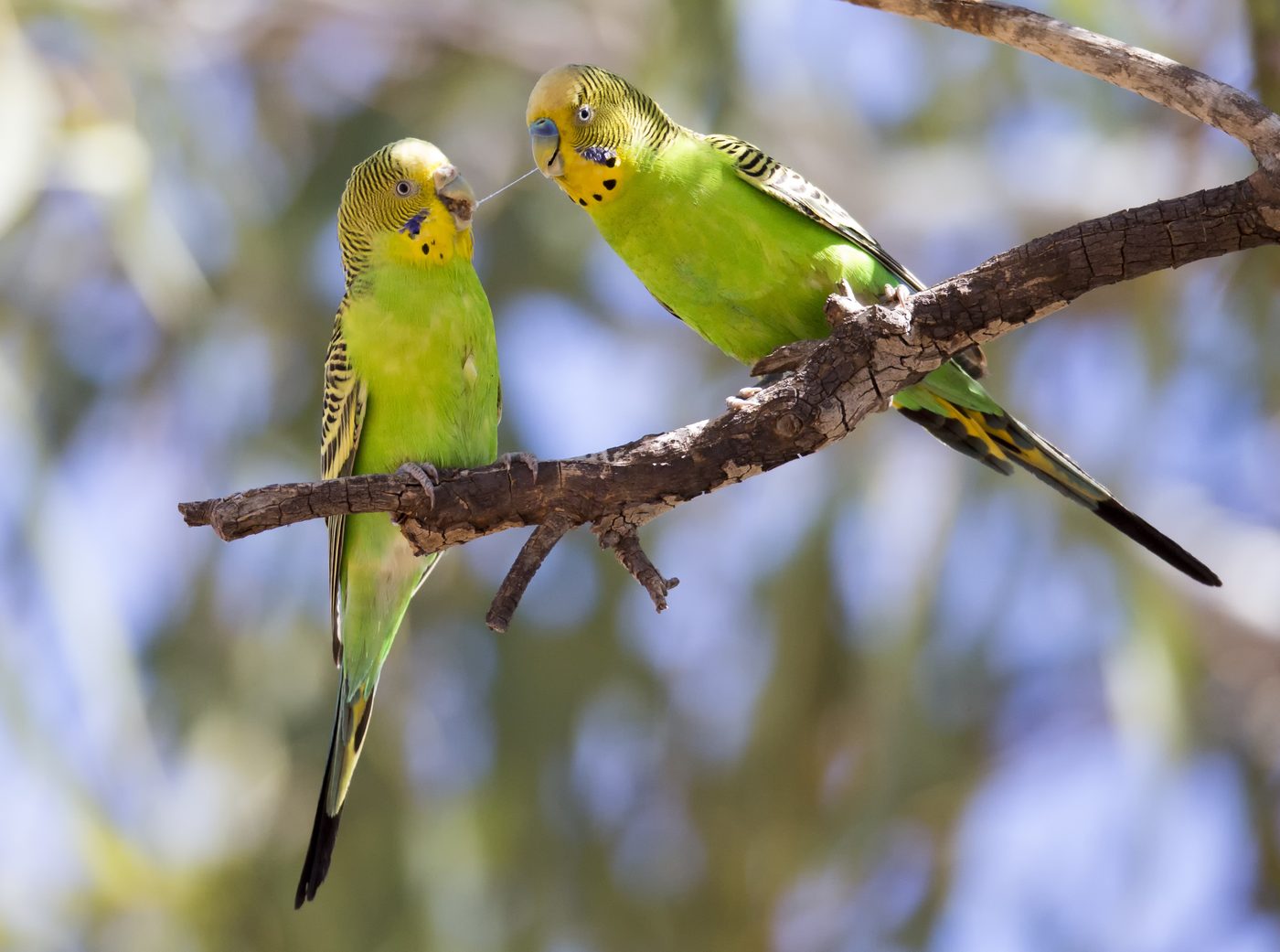
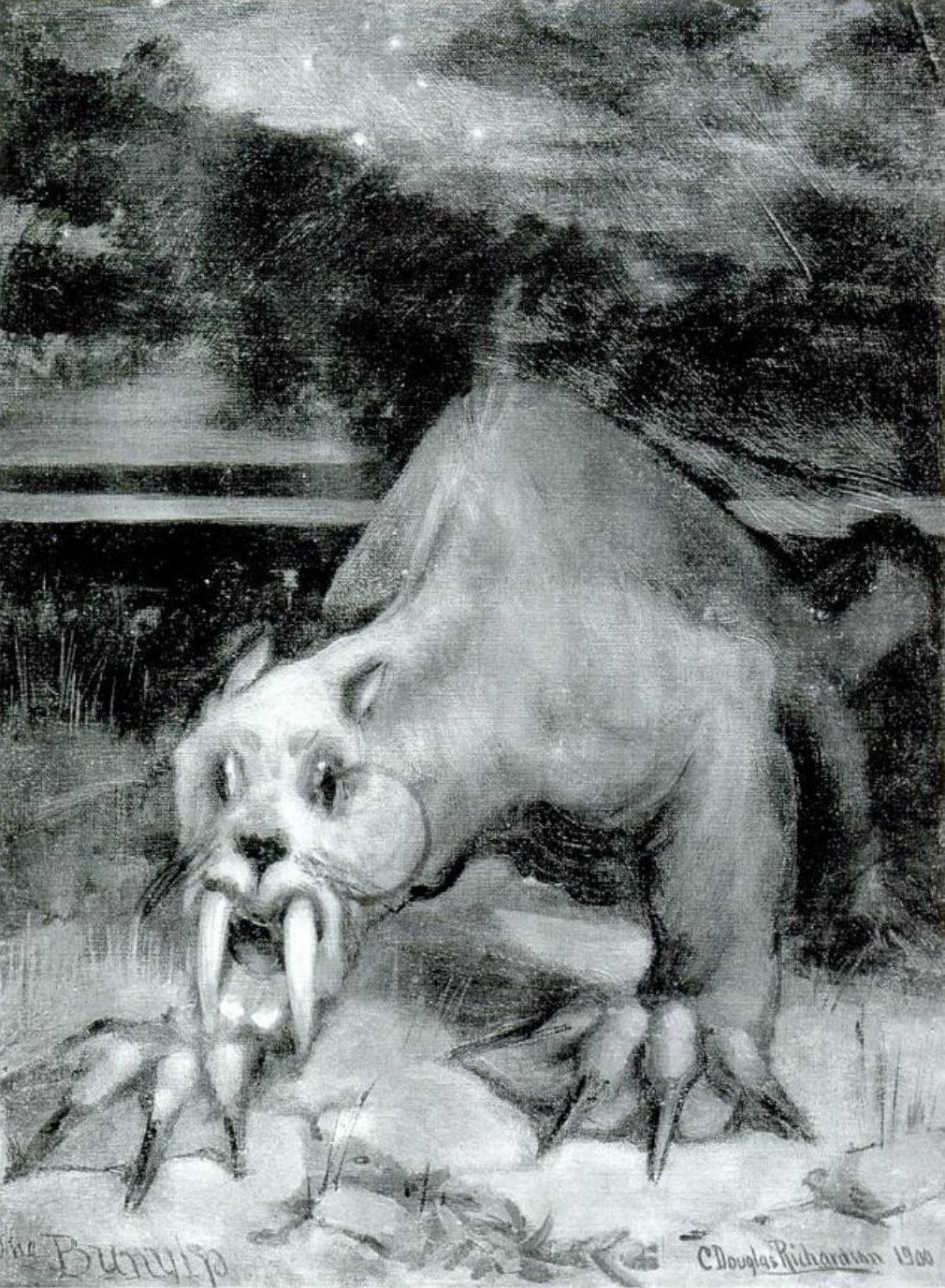
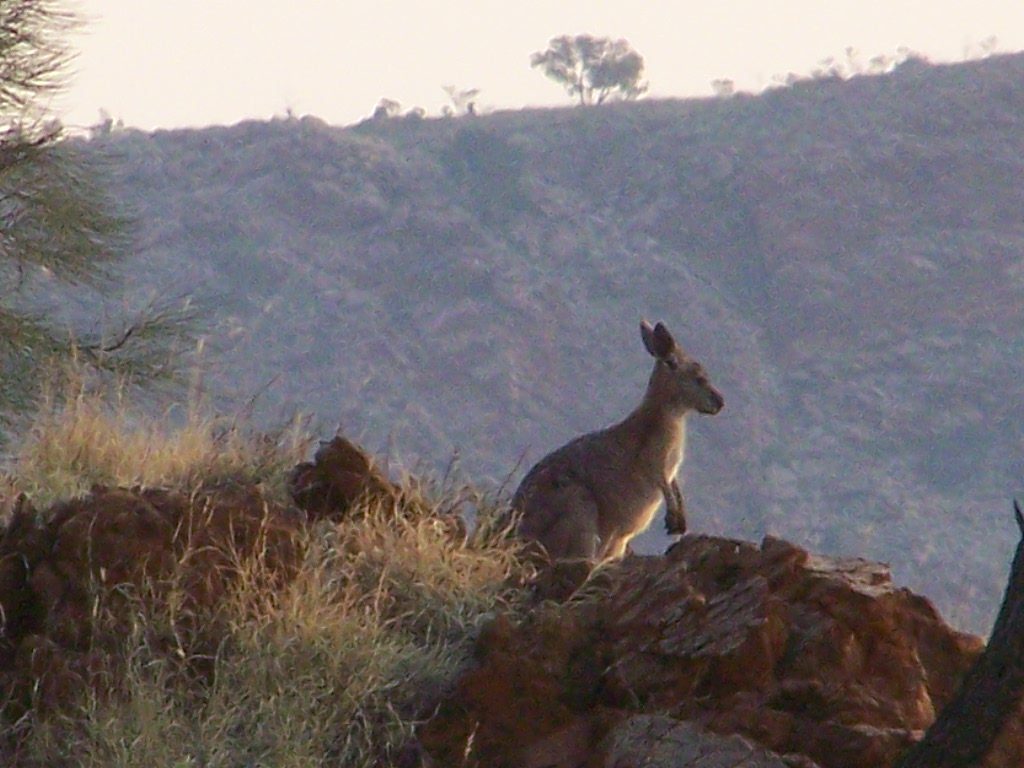
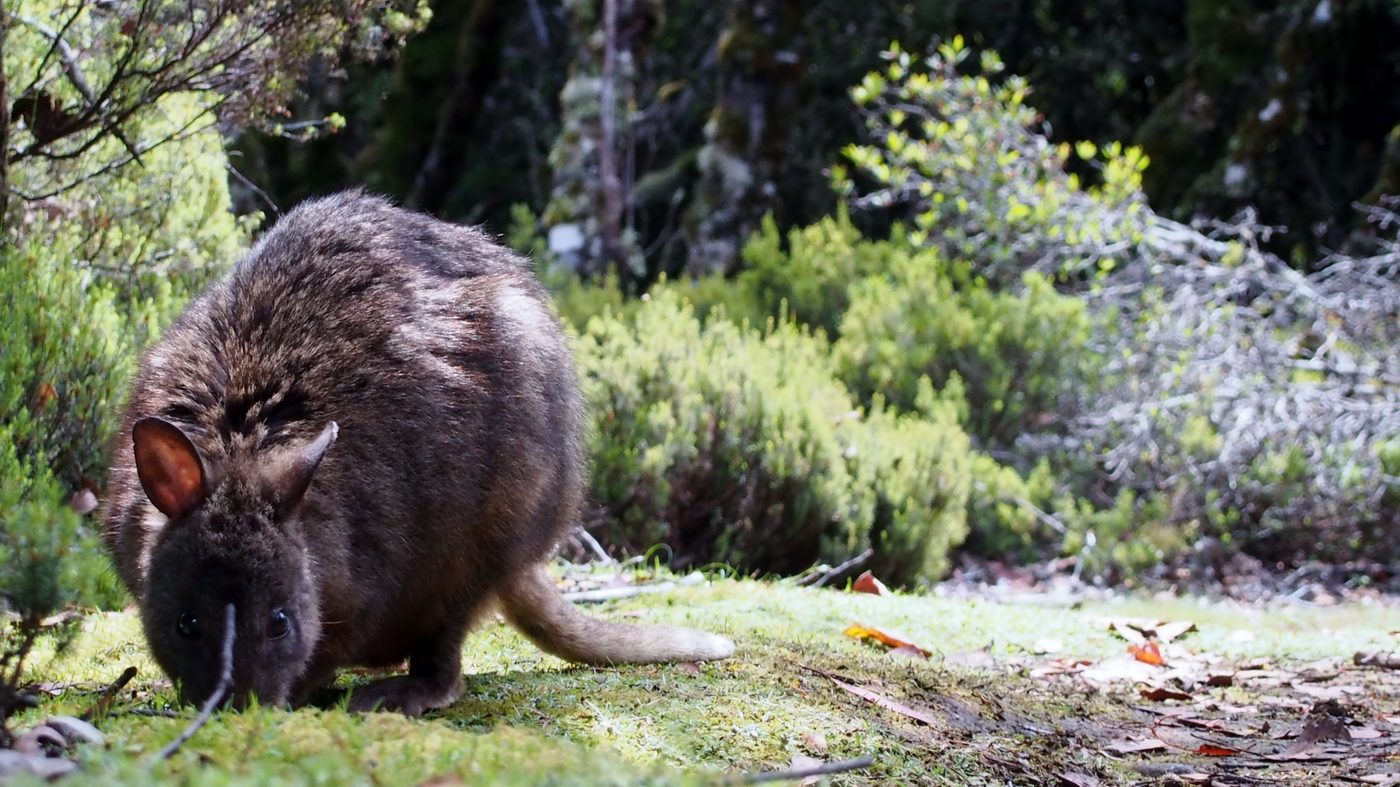
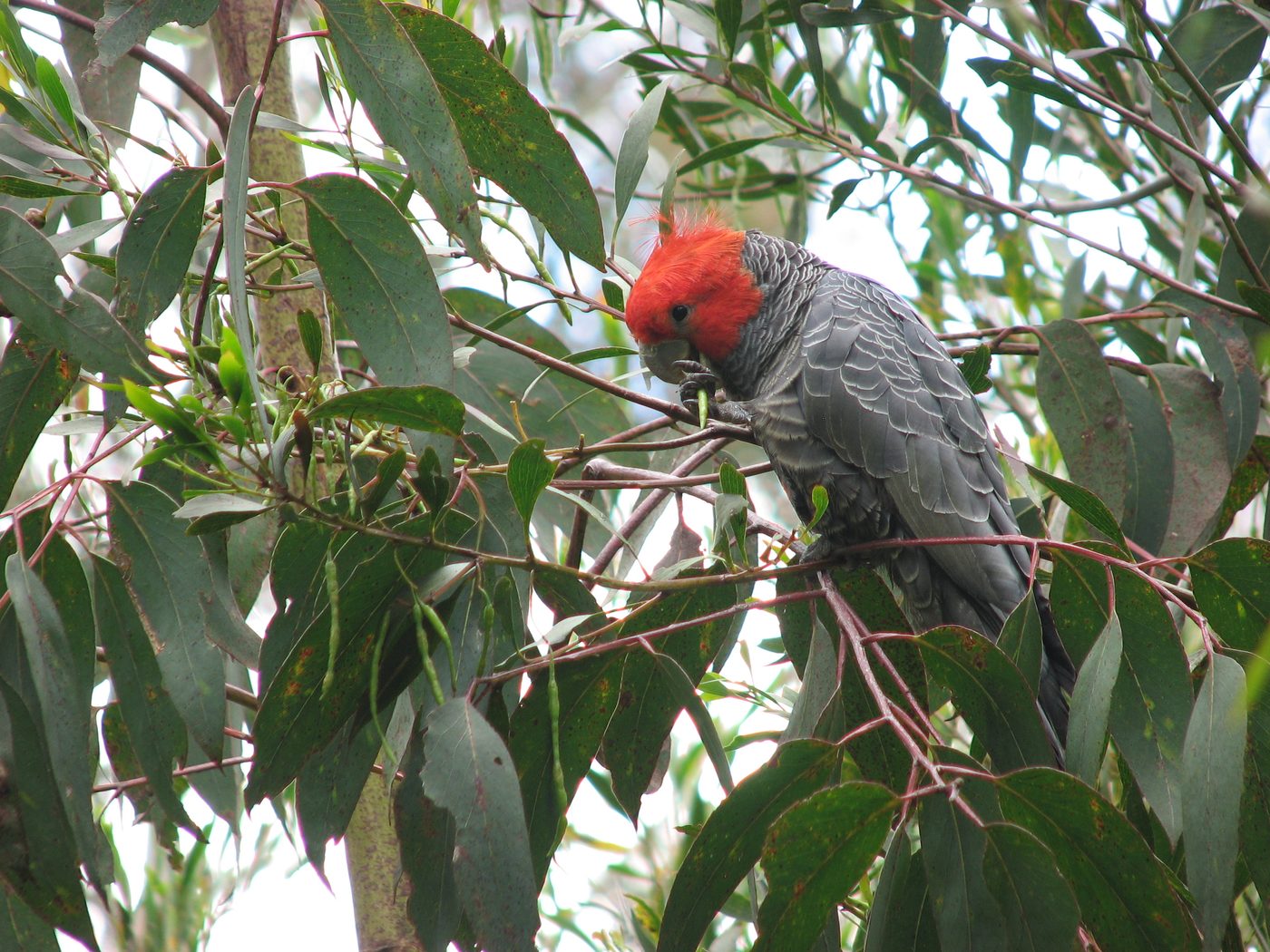
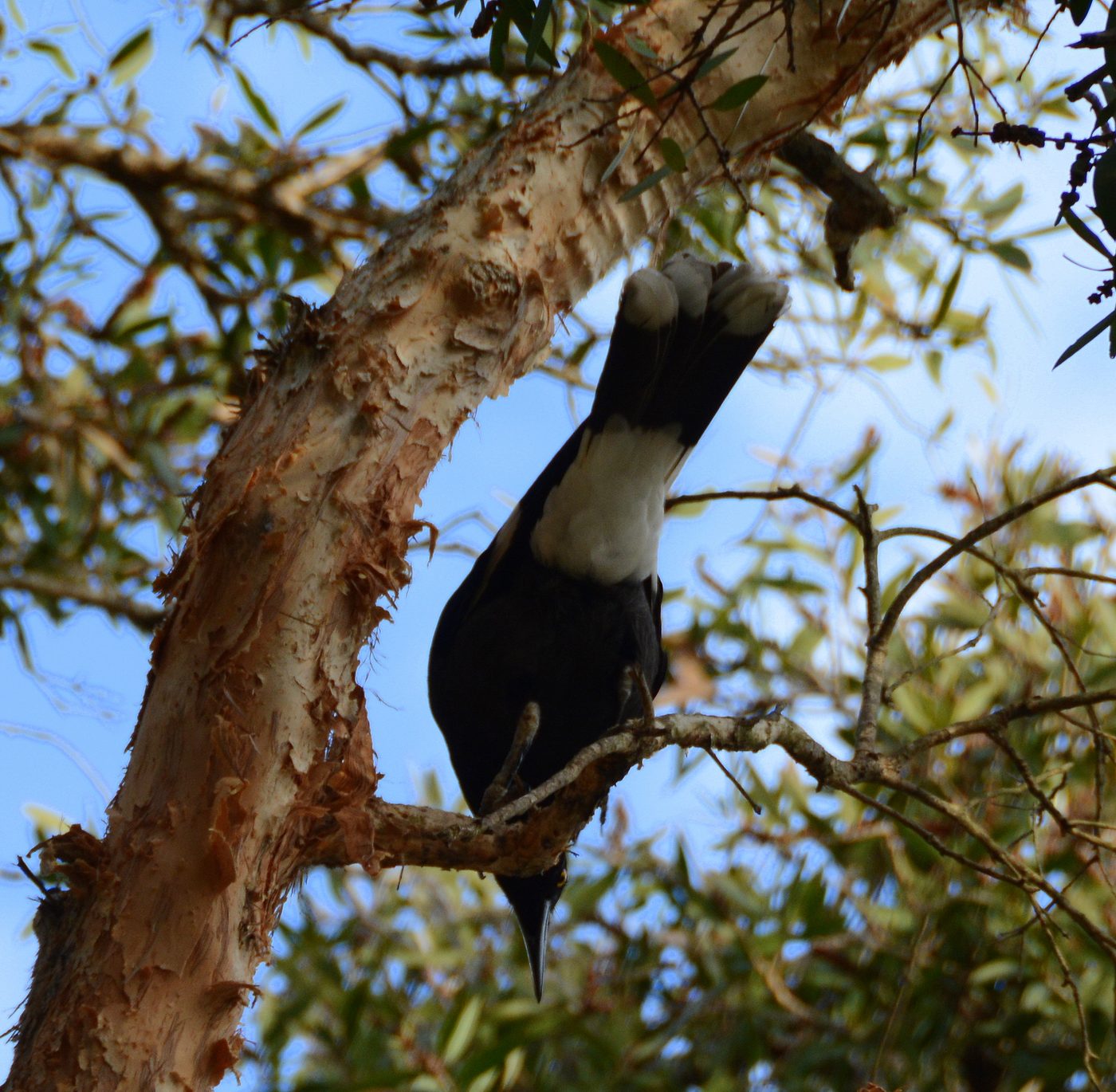
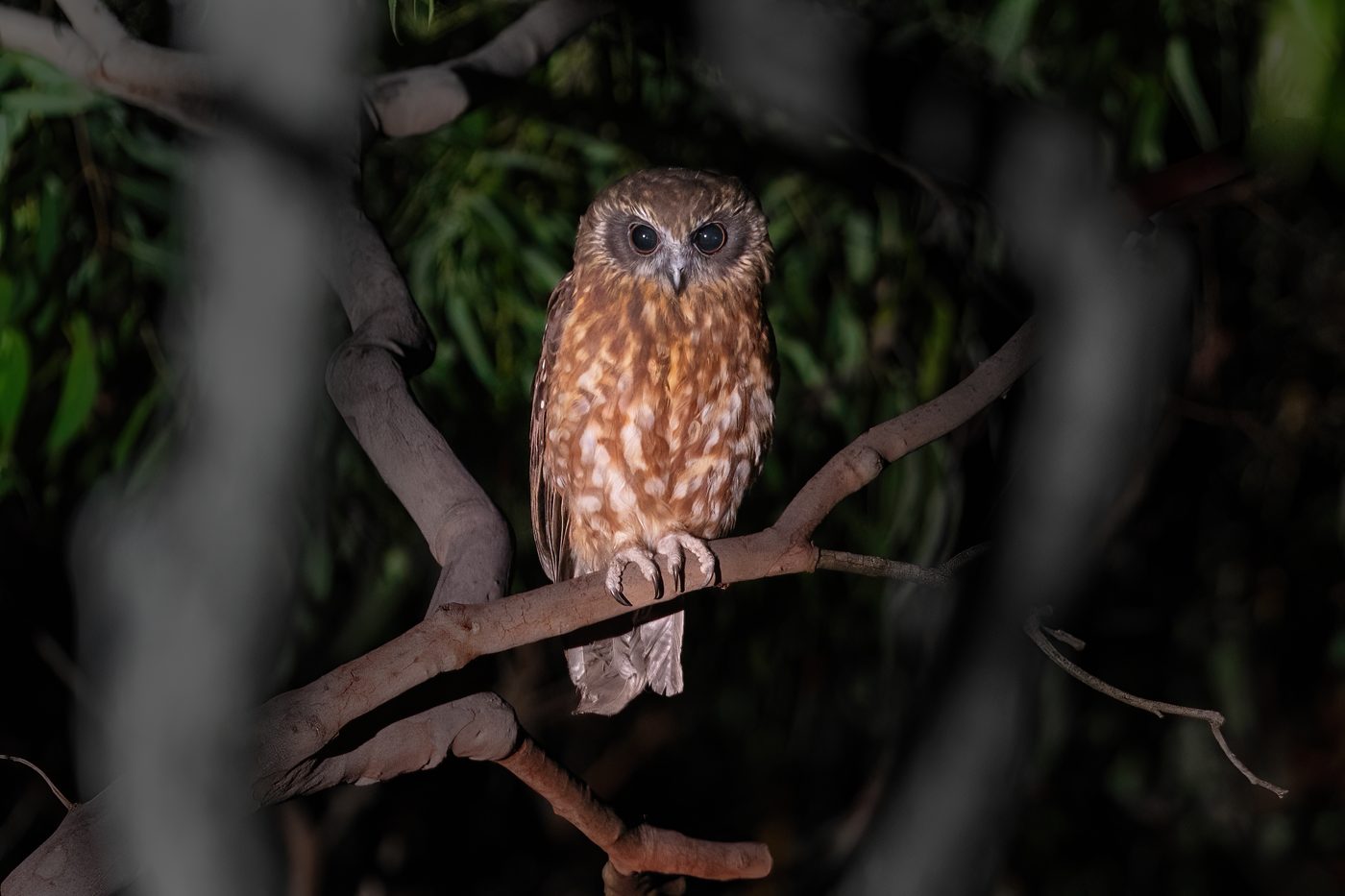
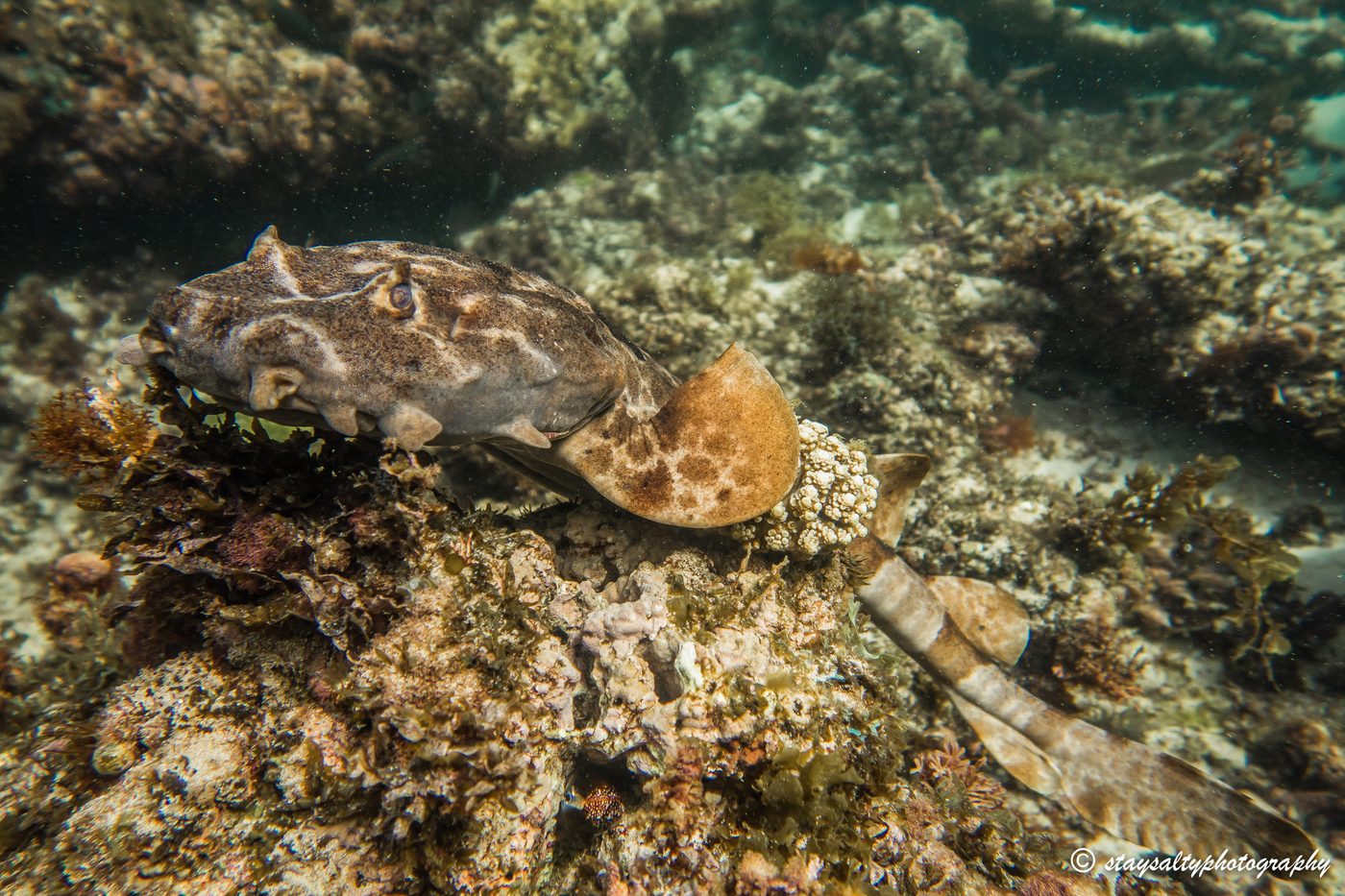
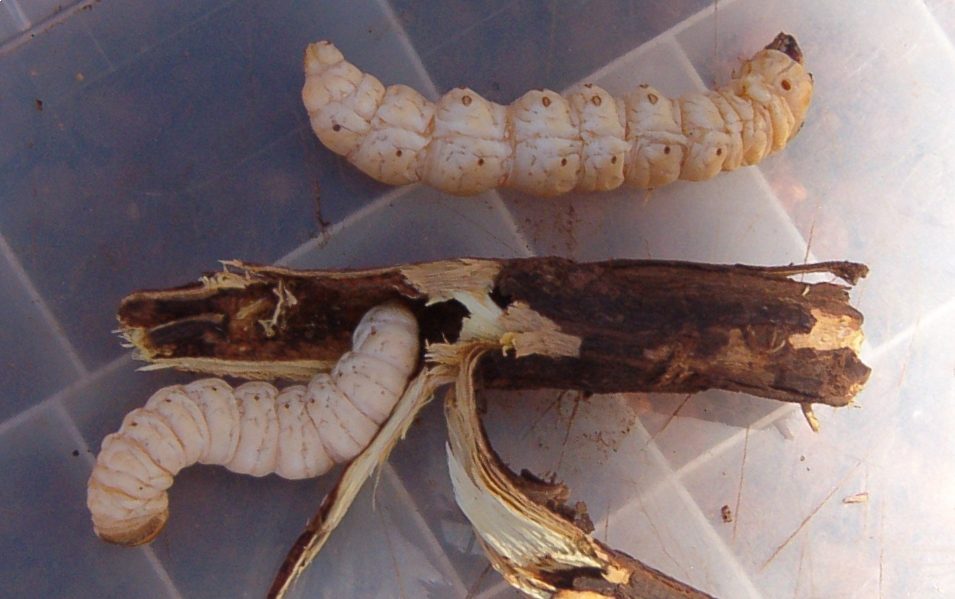
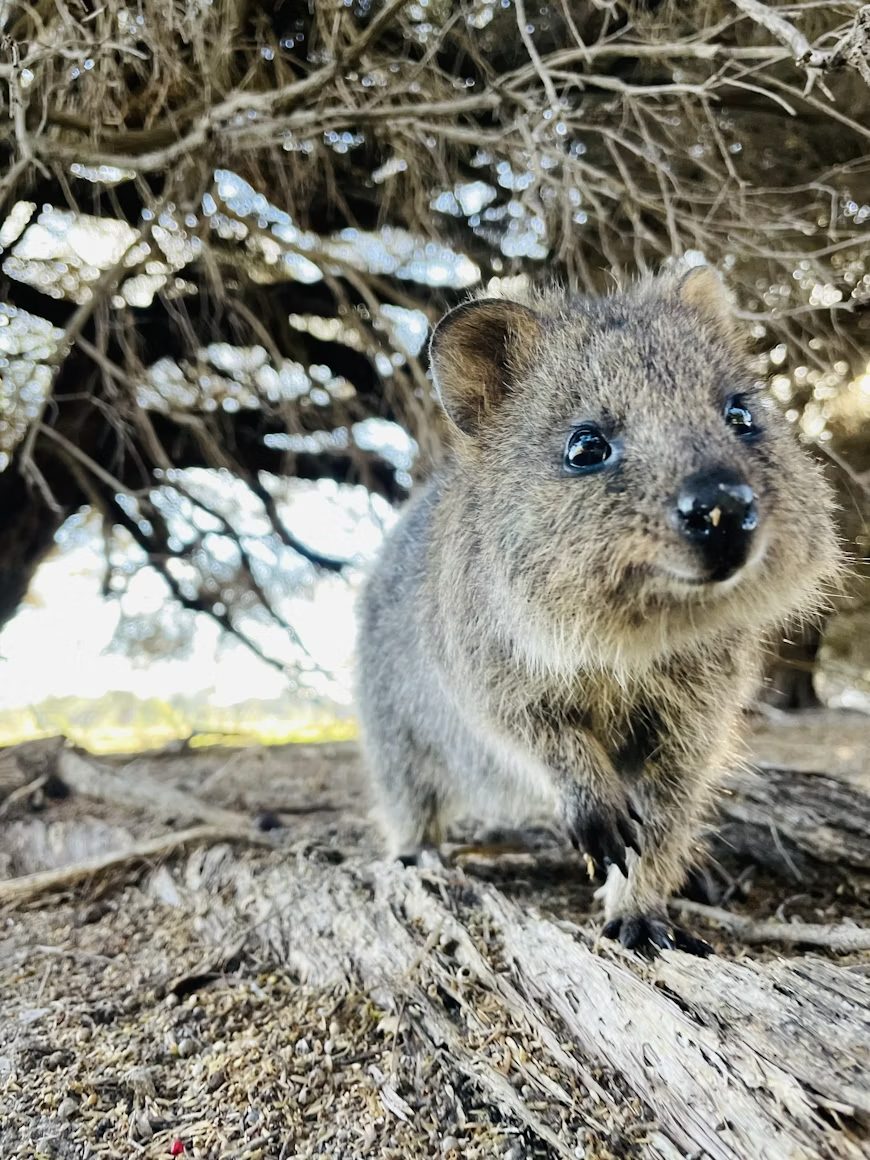
Animal photo credits (Wikimedia Commons): Koala — Janine Duffy/Echidna Walkabout, CC BY-SA 4.0 · Wallaby — Charles J. Sharp, CC BY-SA 4.0 · Brolga — Longboardfella, CC BY-SA 4.0 · Potoroo — Warren Garst/CSU Libraries via DPLA, CC BY-SA 4.0 · Numbat — Martin Pot, CC BY 3.0 · Taipan — AllenMcC., CC BY-SA 3.0 · Barramundi — John Robert McPherson, CC0 · Budgerigar — Jim Bendon, CC BY-SA 2.0 · Bunyip — Charles Douglas Richardson (1900), Public Domain · Wallaroo — DingoMel, CC BY-SA 4.0 · Pademelon — Simondg16, CC BY-SA 4.0 · Gang-gang — Peter Shanks, CC BY 2.0 · Currawong — Sardaka, CC BY-SA 3.0 · Boobook — JJ Harrison, CC BY-SA 4.0 · Wobbegong — Mason Sullivan, CC BY-SA 4.0 · Witchetty Grub — Sputnikcccp, CC BY-SA 3.0.
🌿 Plants & Country
A whole vocabulary of distinctively Australian trees, shrubs and landscape features.
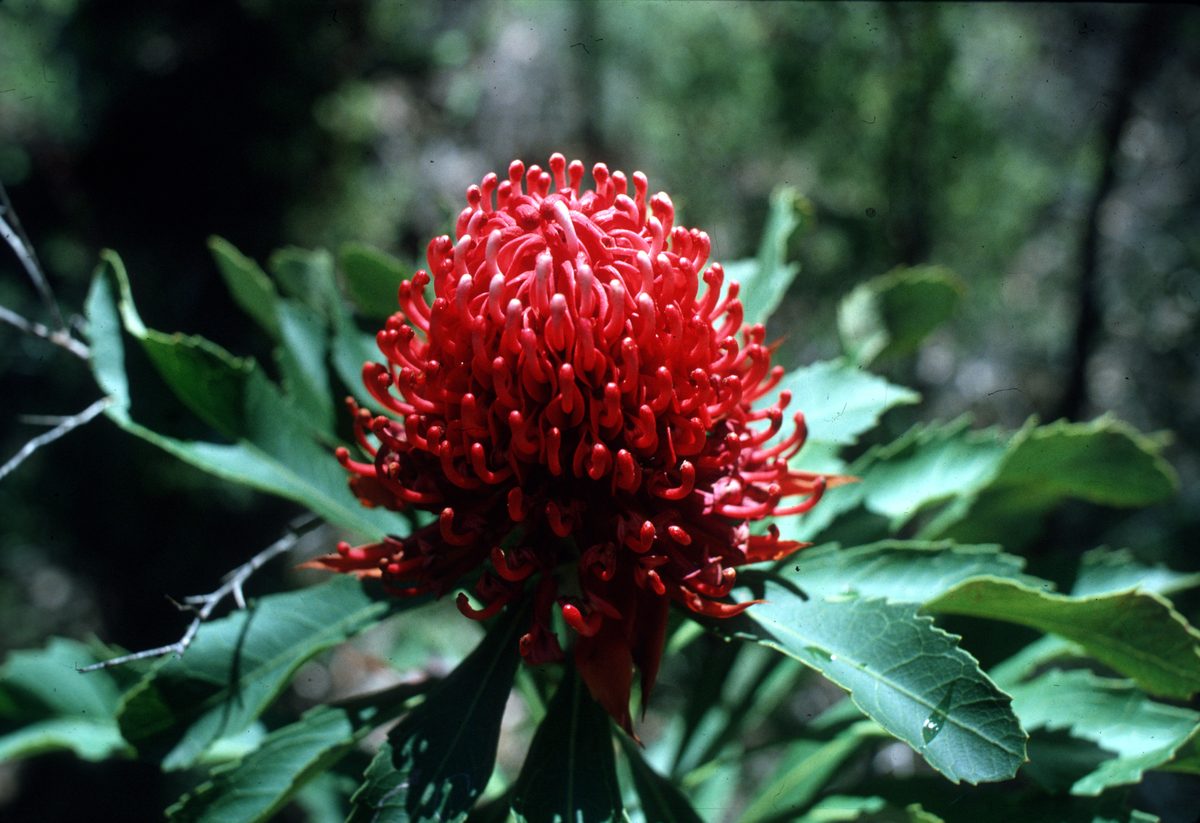
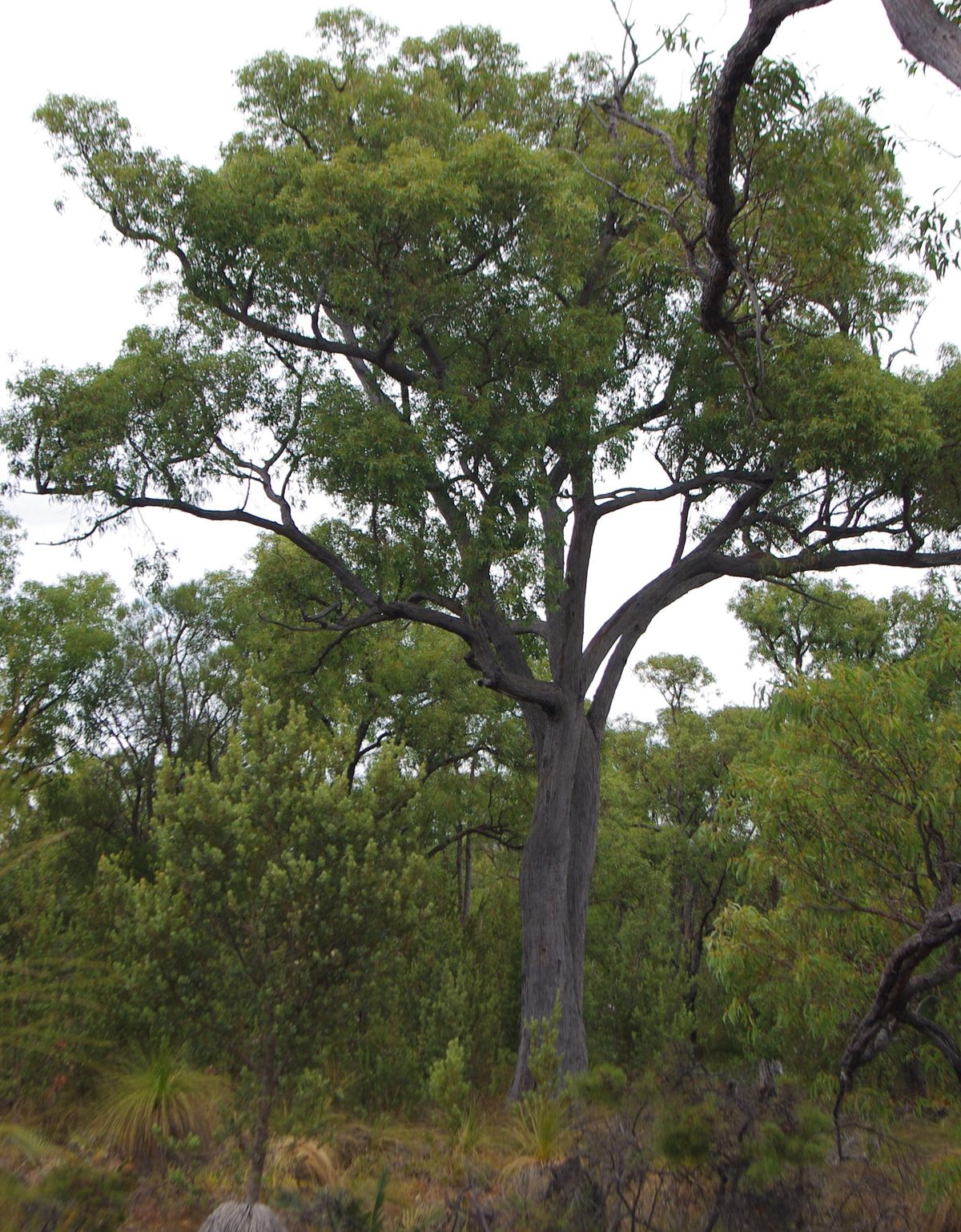
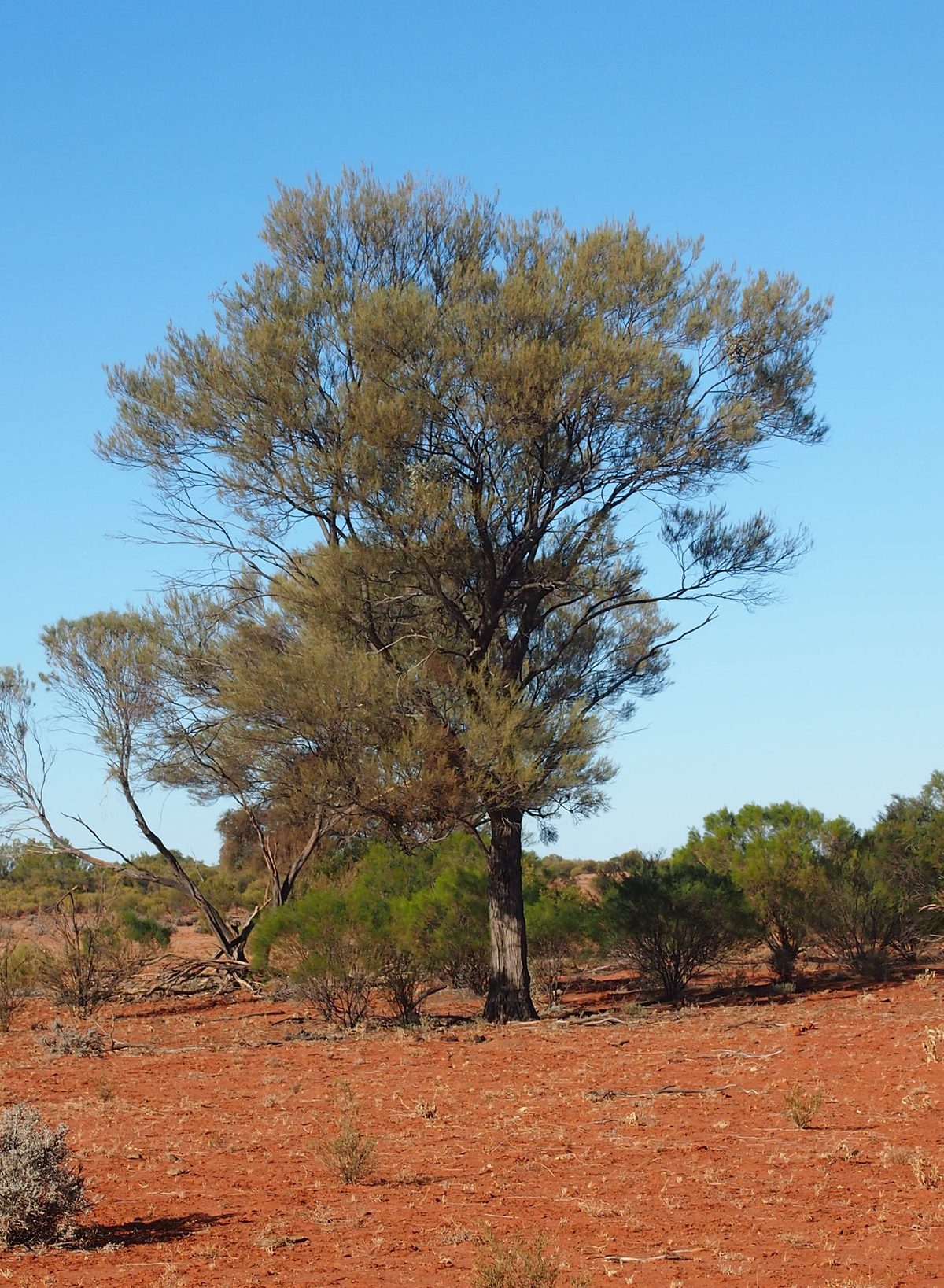
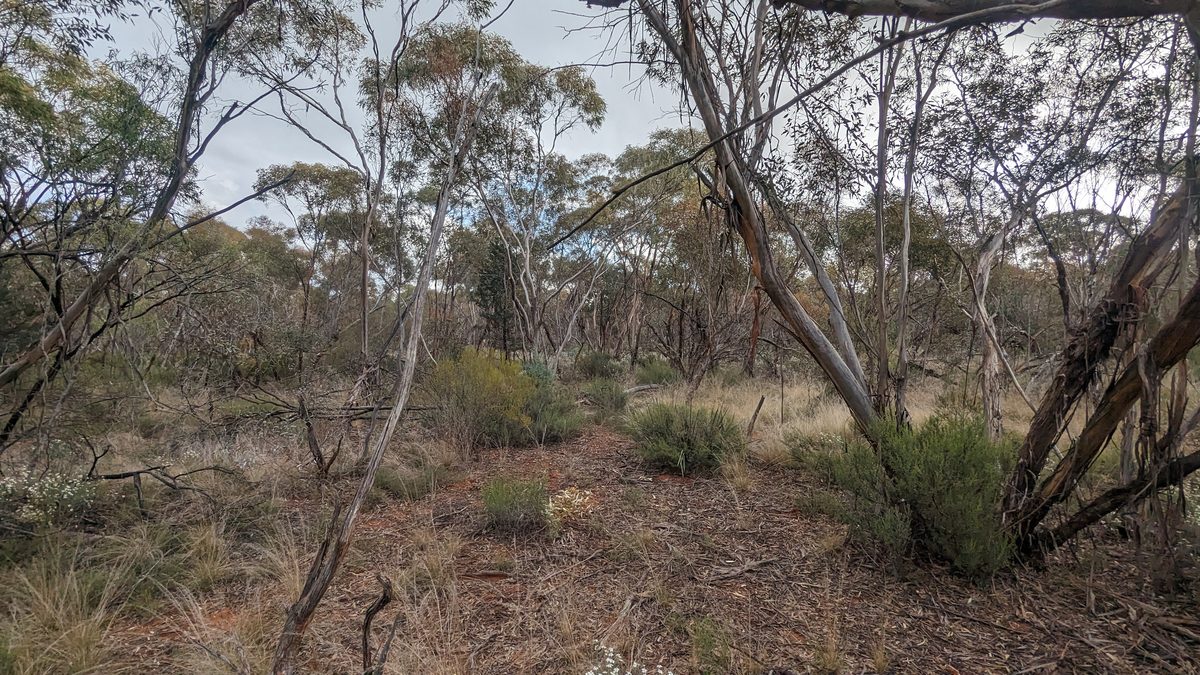
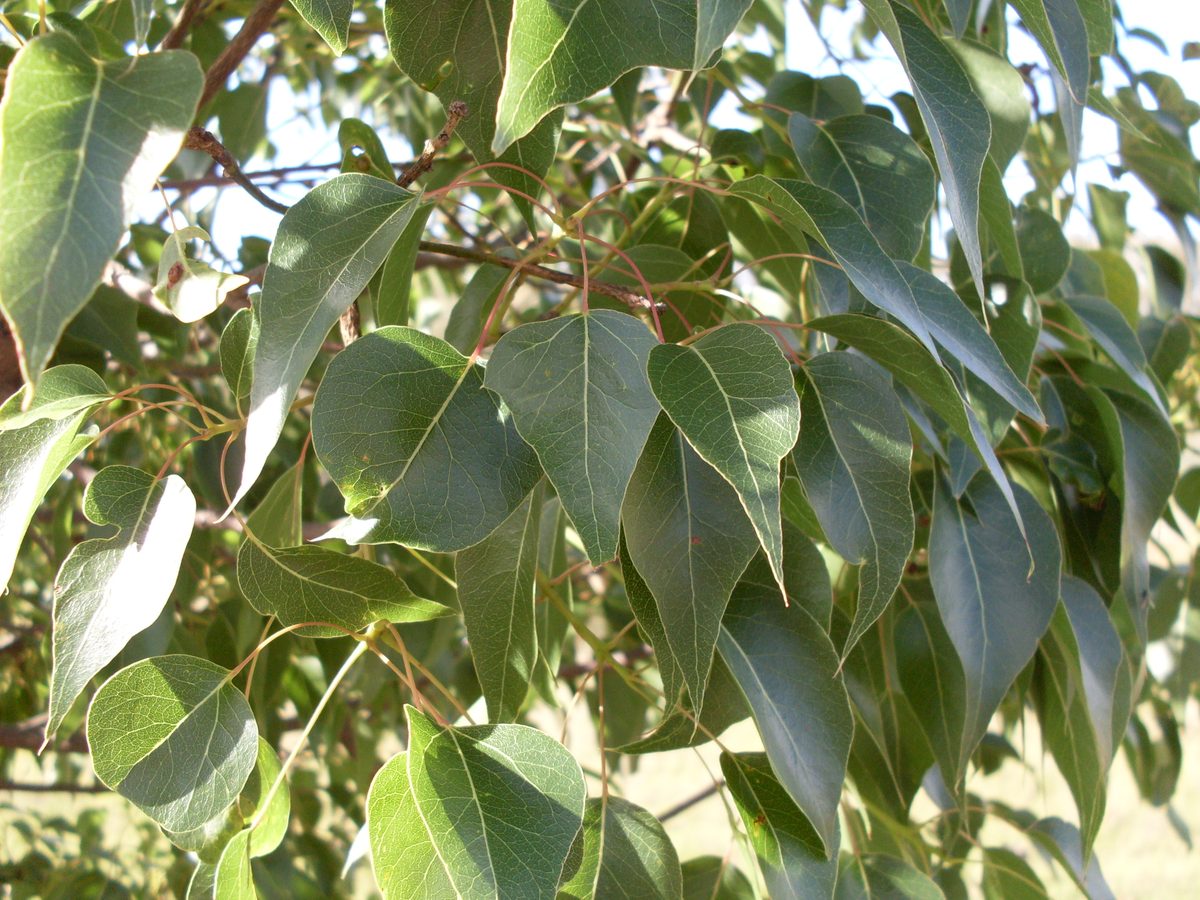
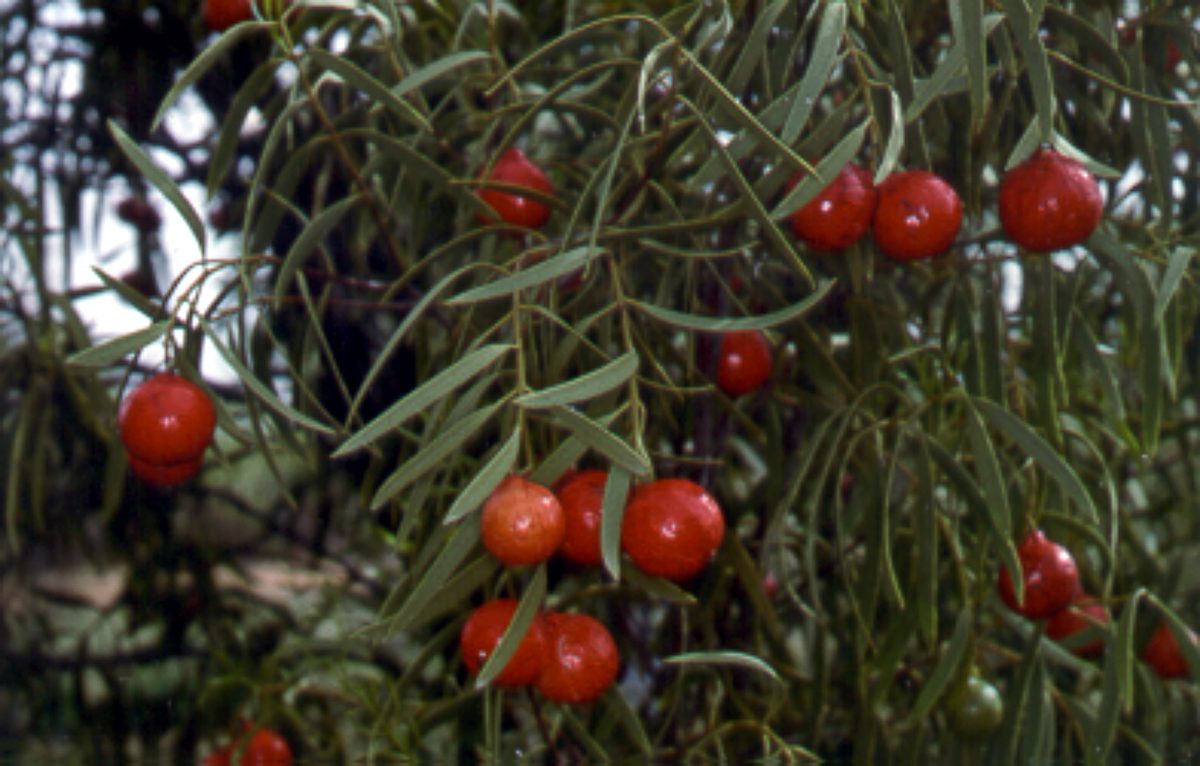
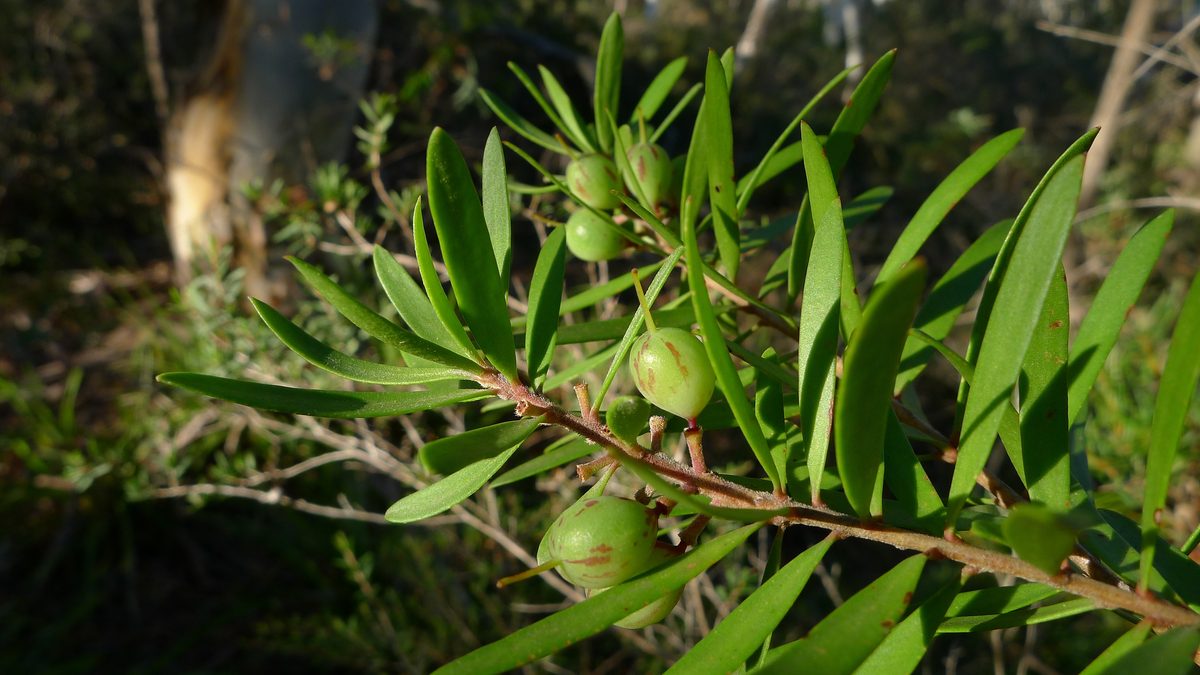
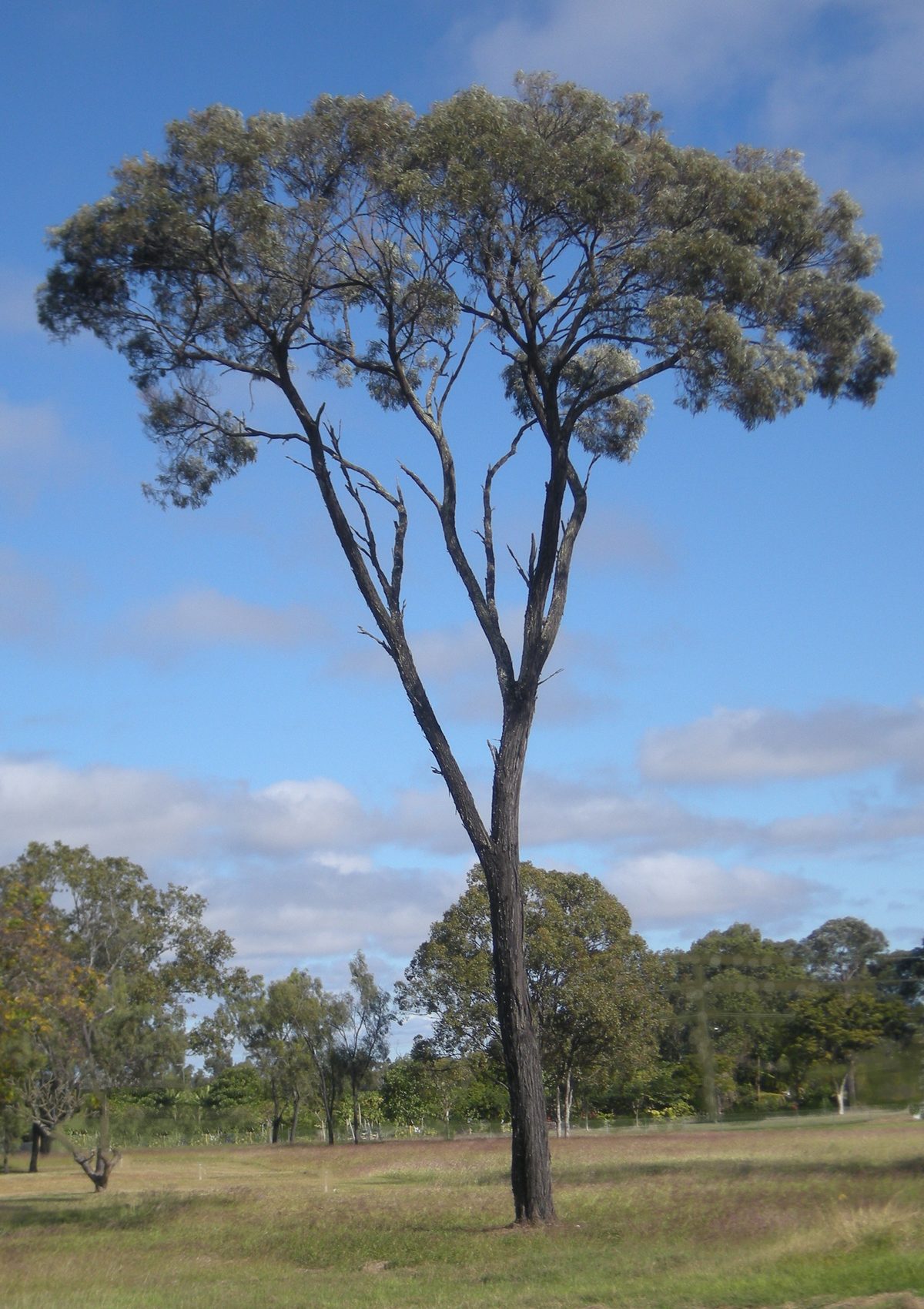
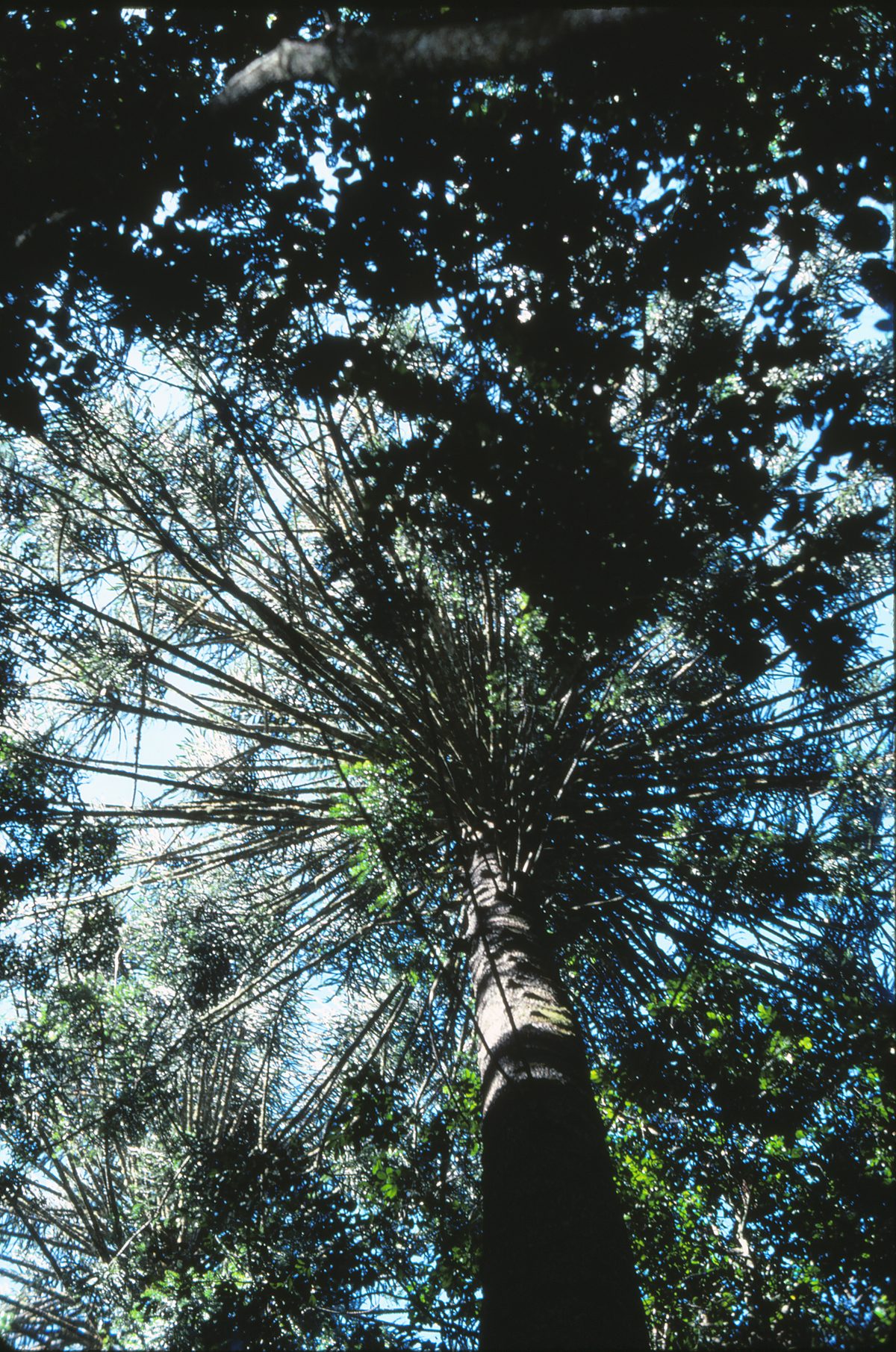
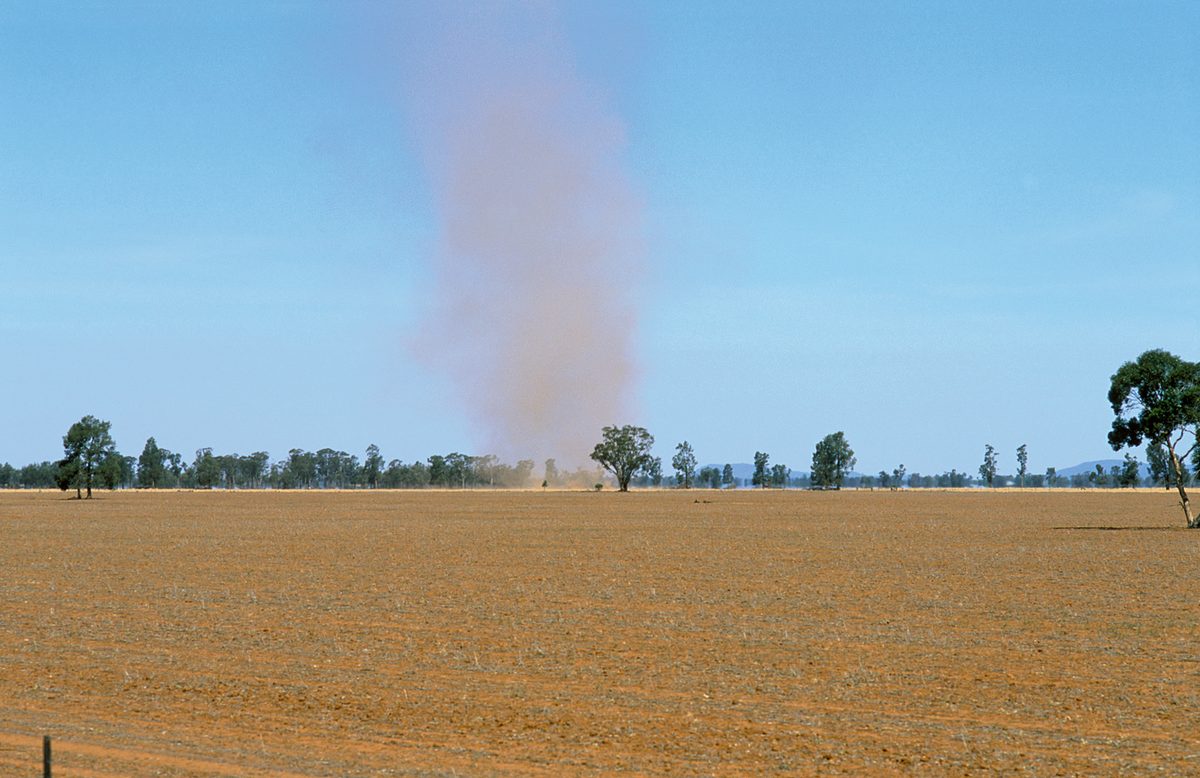
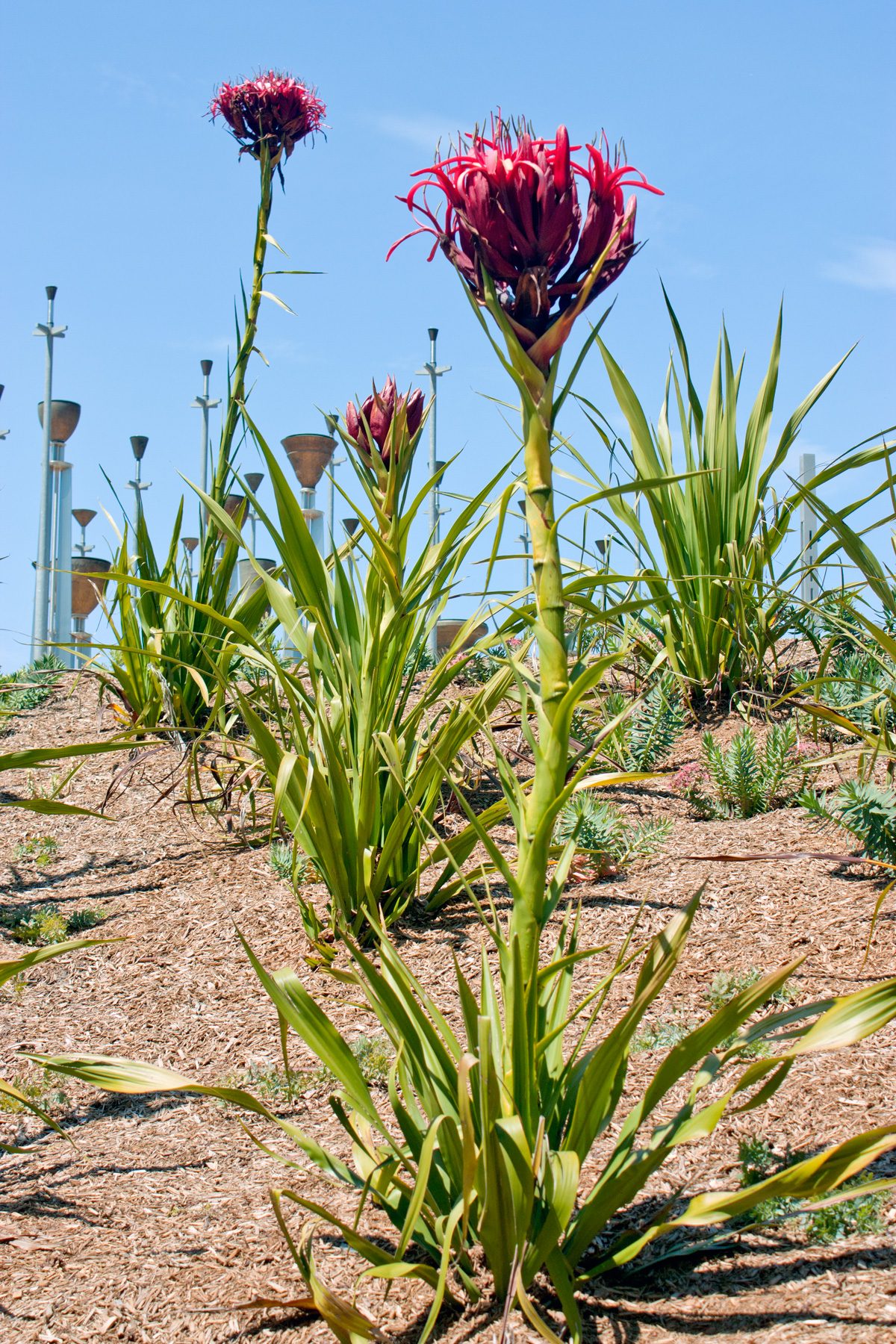
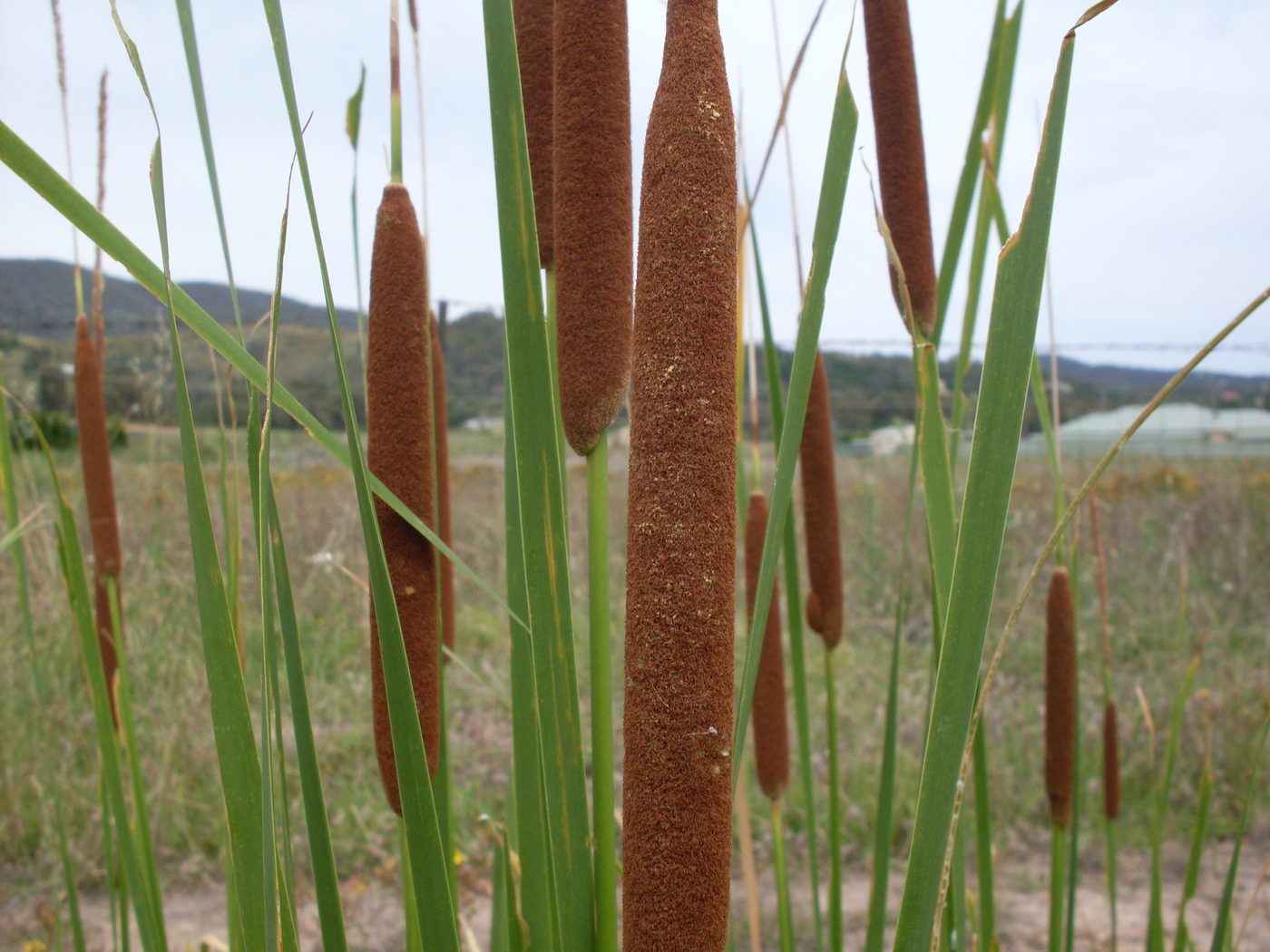
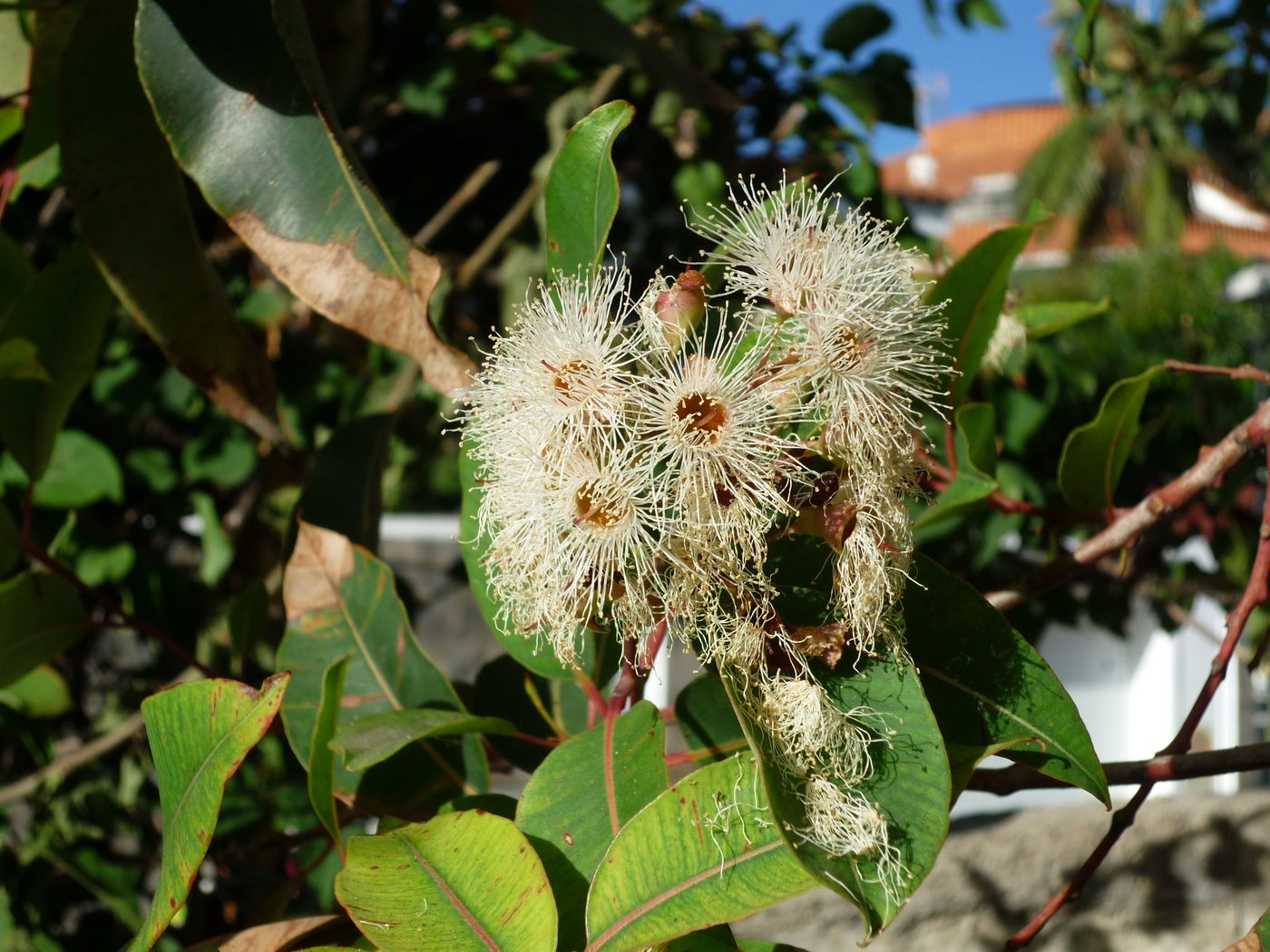
Plant photo credits (Wikimedia Commons): Waratah — CSIRO, CC BY 3.0 · Jarrah — JarrahTree, CC BY 2.5 AU · Mulga — Mark Marathon, CC BY-SA 4.0 · Mallee — B 897, CC BY-SA 4.0 · Kurrajong — John Tann, CC BY 2.0 · Quandong — CSIRO, CC BY 3.0 · Geebung — John Tann, CC BY 2.0 · Brigalow — Ethel Aardvark, CC BY 3.0 · Bunya — John Robert McPherson, CC BY-SA 4.0 · Willy Willy — Gregory Heath/CSIRO, CC BY 3.0 · Gymea Lily — Rexness, CC BY-SA 2.0 · Cumbungi — John Tann, CC BY 2.0 · Marri — Jesús Cabrera, CC BY 2.0.
🛠️ Everyday Life & Tools
Genuine, sophisticated tools and technology, not "primitive weapons" — and words for real cultural practices worth a bit of respect.
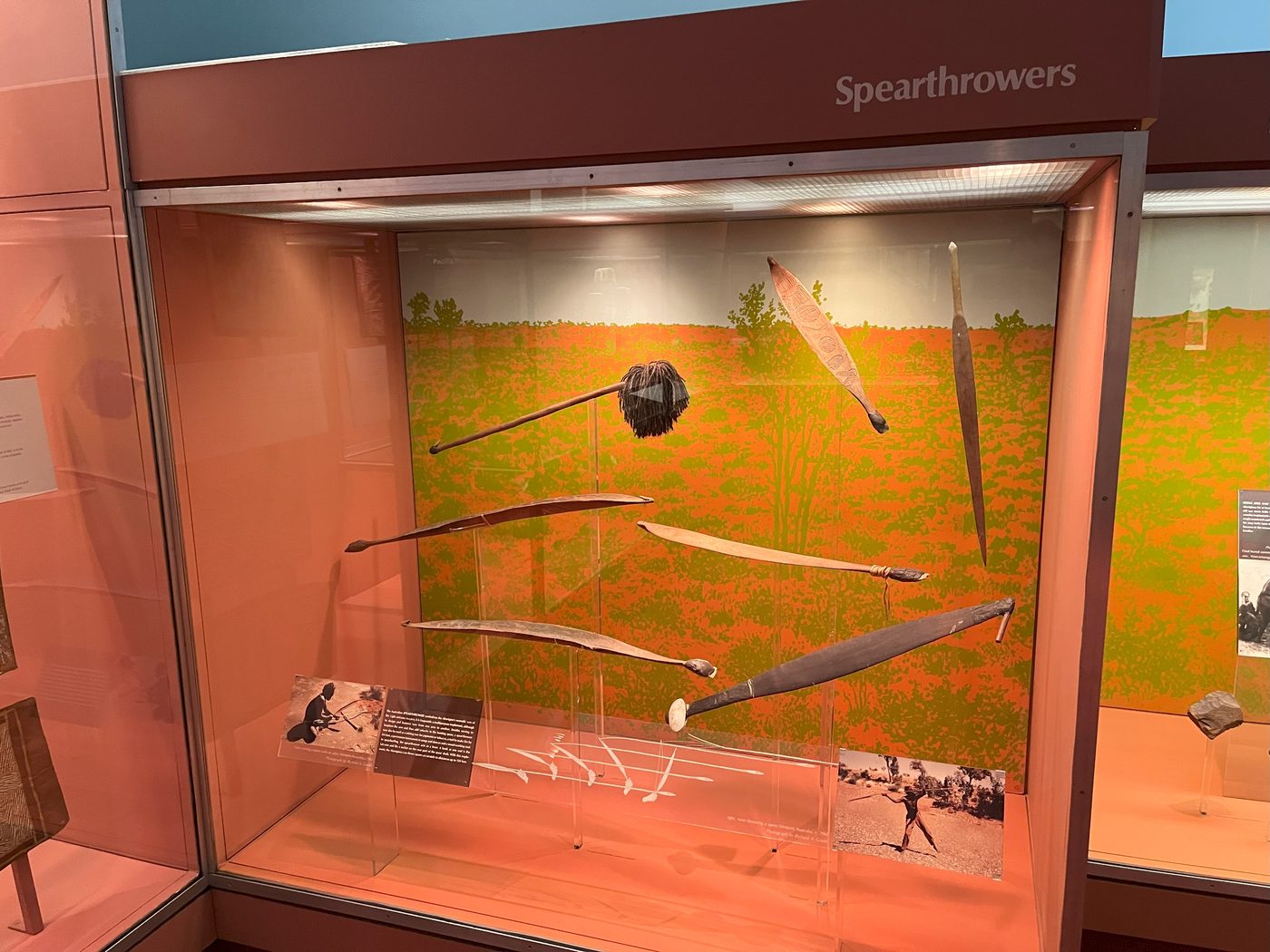
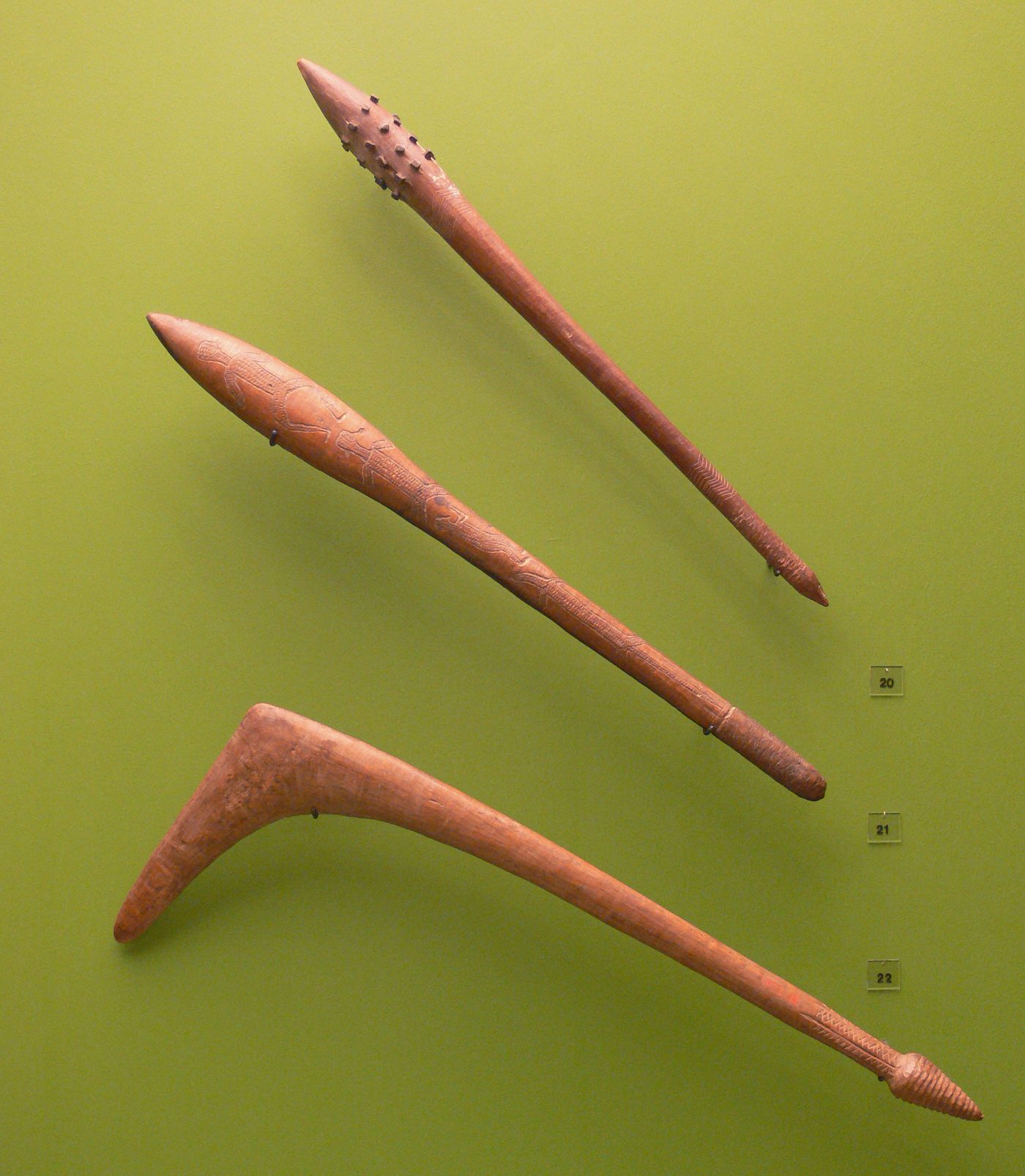
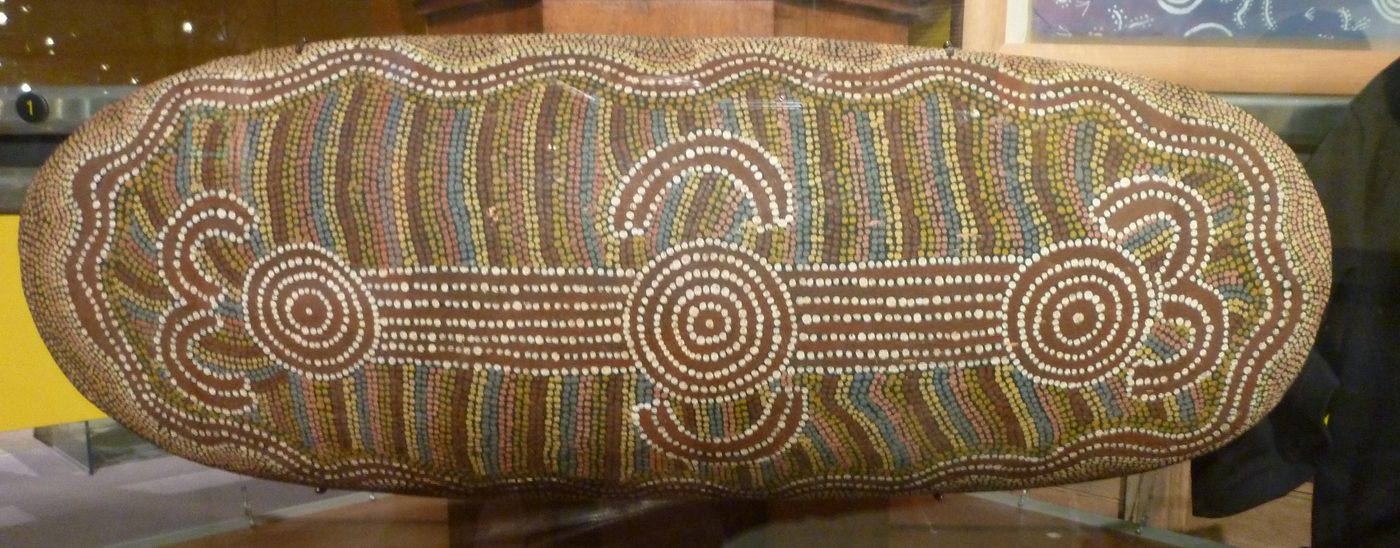
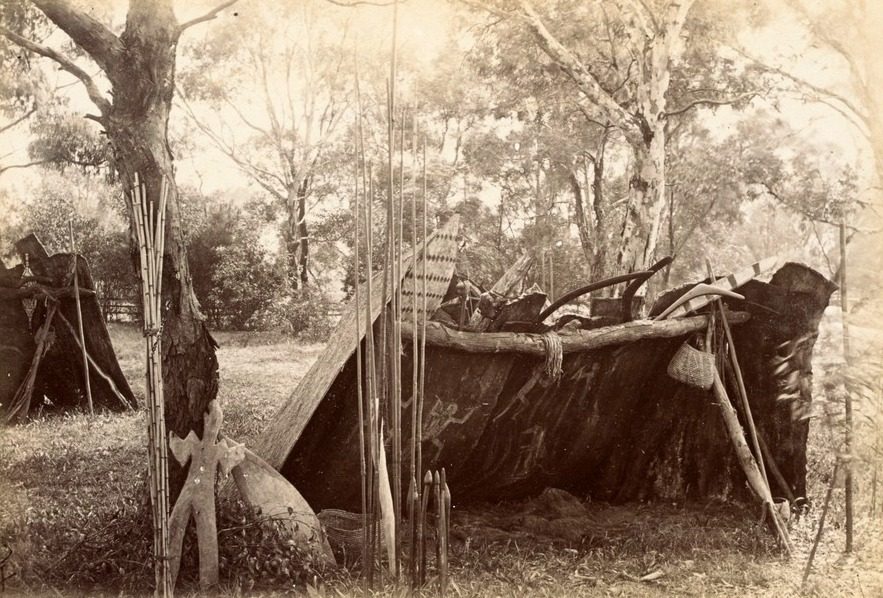
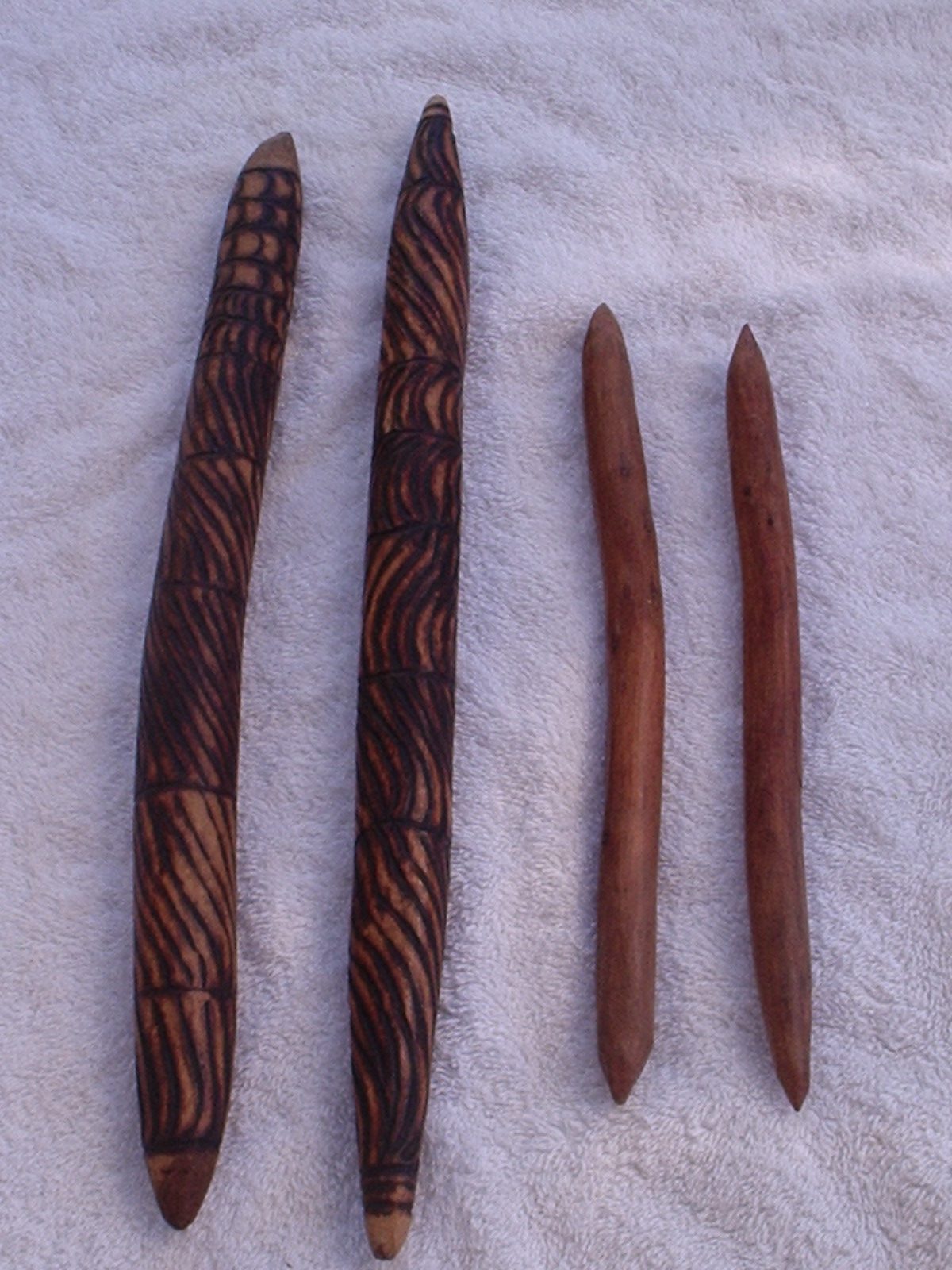
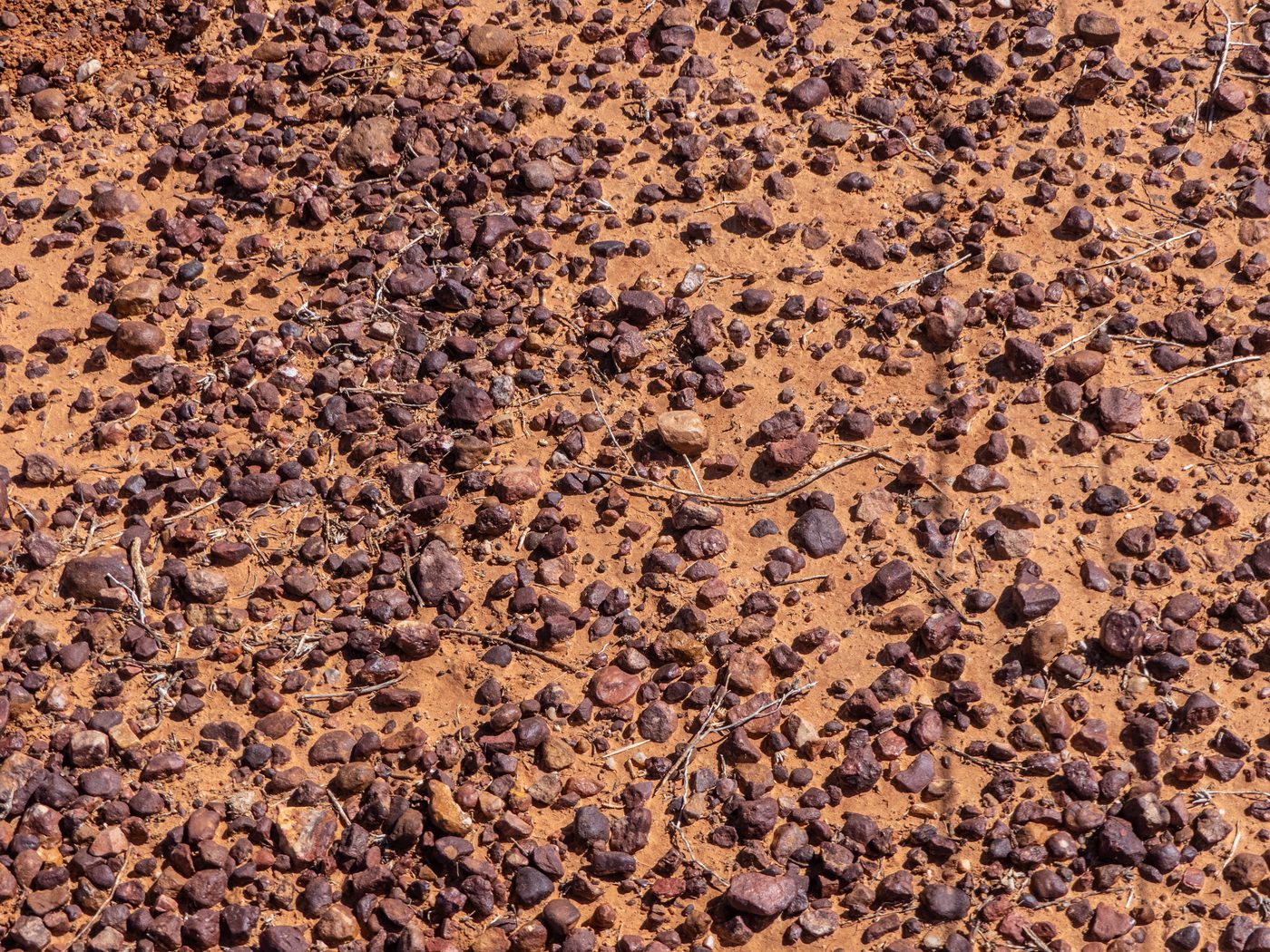
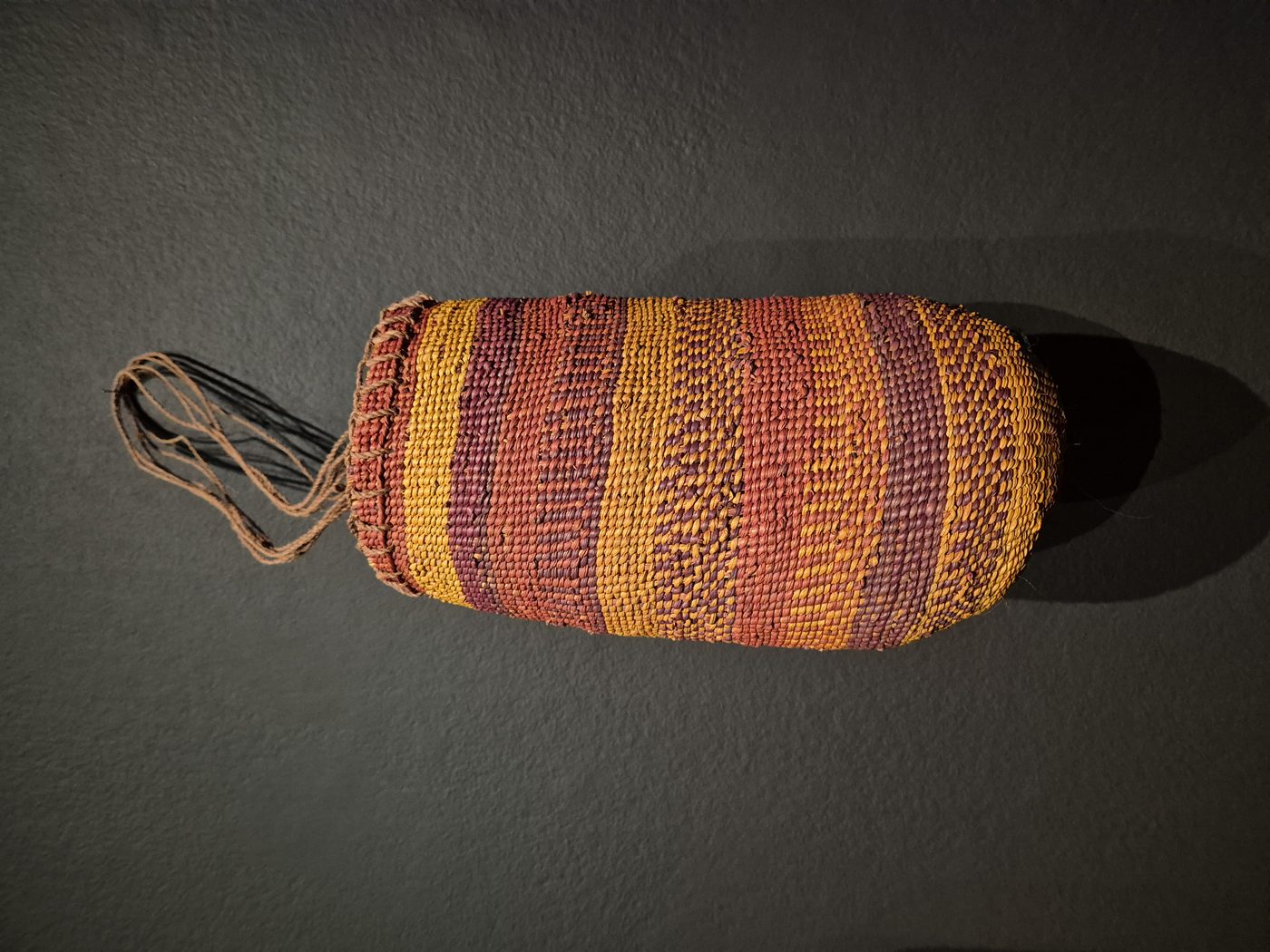
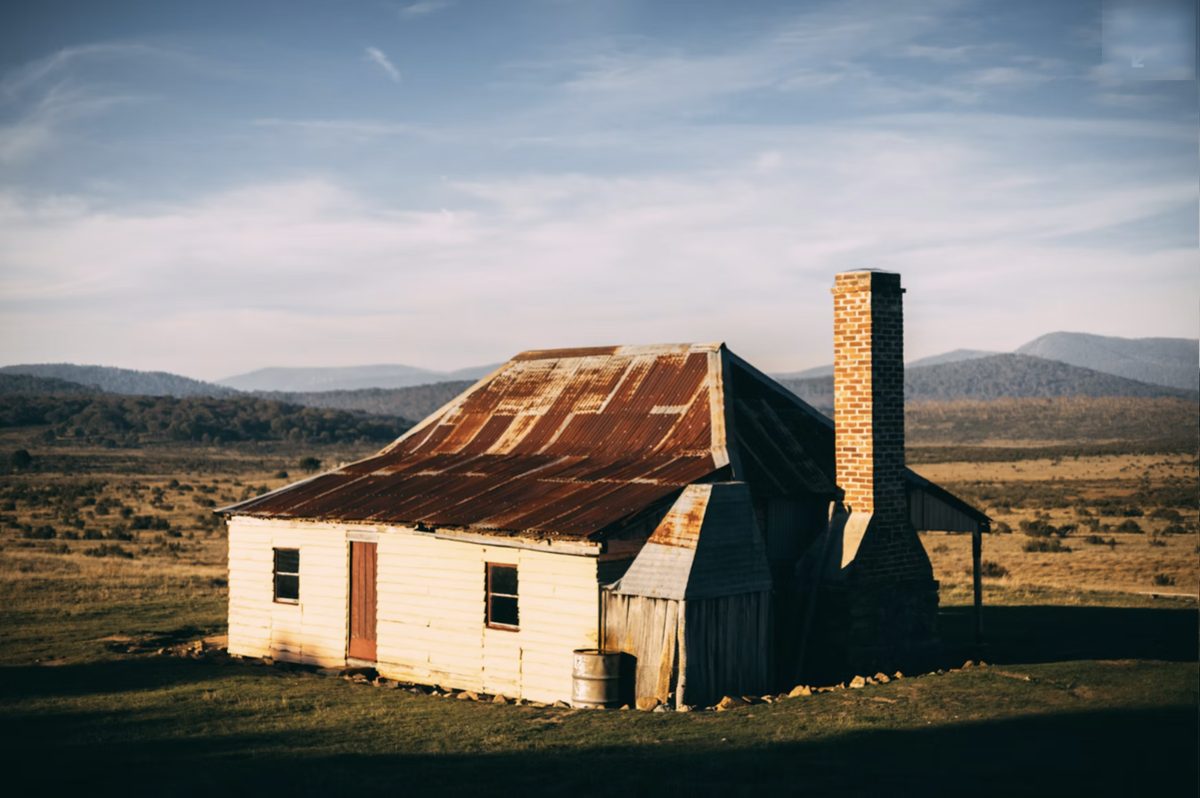
Tool & place photo credits (Wikimedia Commons): Woomera — Vicpeters, CC BY 4.0 · Nulla-nulla — FA2010, Public Domain · Coolamon — Schomynv, Public Domain · Gunyah — John Steel (1889), Public Domain · Corroboree (clapsticks) — Andrewa, CC BY-SA 3.0 · Gibber — John Robert McPherson, CC BY-SA 4.0 · Dilly Bag — Laterthanyouthink (basket by artist Margaret Rarru Garrawurra), CC BY-SA 4.0.
❌ Myths Worth Busting
A few popular stories about these words that don't quite hold up.
False. This is probably the single most-repeated wrong fact about Australian English. The story goes that Captain Cook's crew asked a Guugu Yimithirr man the animal's name and he shrugged, saying (in effect) “I don't understand.” It's a fun story — but it's an urban legend. “Gangurru” specifically named one type of large kangaroo; the language actually had at least eight different kangaroo terms.
The popular tourist-brochure translation, often tied to the Three Sisters and the town's waterfalls, is likely wrong. It most probably referred to a place where a particular fern grew, in the Gundungurra language.
This is the official, city-endorsed translation used for Melbourne's Moomba Festival — but some linguists have disputed it, suggesting a much less flattering possible origin. Worth treating as disputed rather than settled fact.
📚 Sources
- List of English words of Australian Aboriginal origin — Wikipedia
- Borrowings from Aboriginal languages — Australian National Dictionary Centre, ANU
- The origin of kangaroo — getting to the bottom of an Australian furphy — Macquarie Dictionary
- Loan words from Australian languages: tales of myth and misunderstanding — Macquarie Dictionary
- Aboriginal Loanwords in English — State Library of Queensland
- Yakka — Wikipedia
- Borrowed Aboriginal words — ABC Education
🎓 Want to sound like a true Aussie?
Watch Down Under English on YouTube for real Australian pronunciation, slang lessons, and culture — taught by an Australian educator.
Watch on YouTube →