Where "Geebung" Comes From
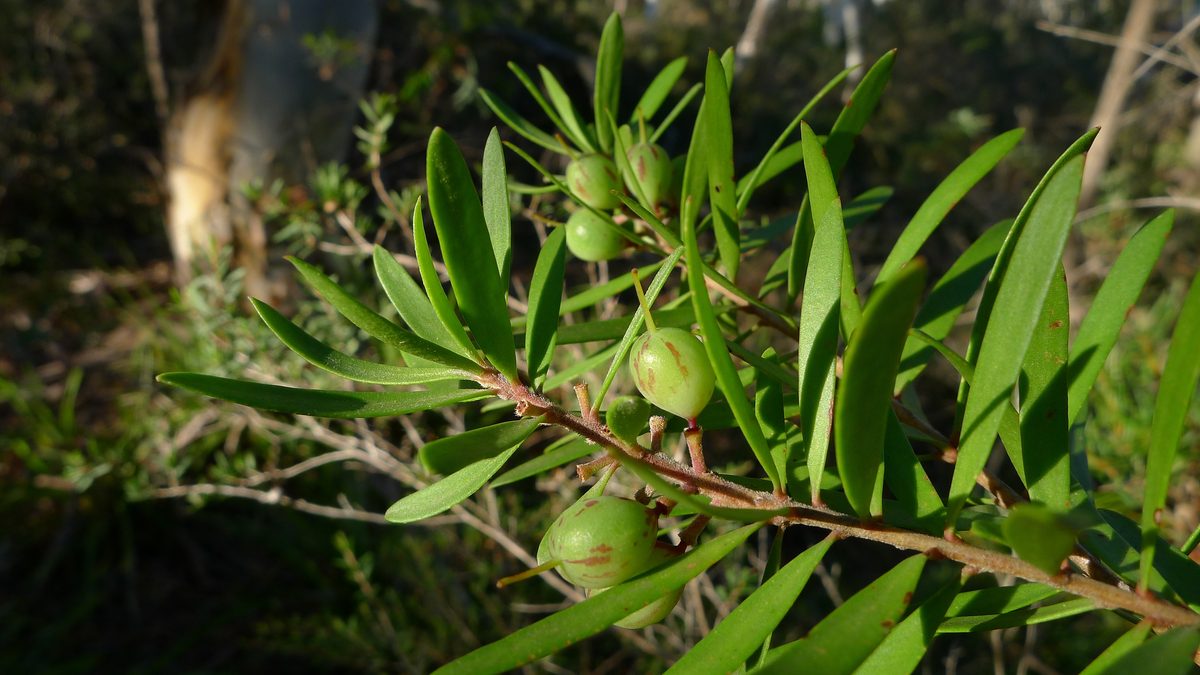
Photo by John Tann, Wikimedia Commons (CC BY 2.0)
"Geebung" comes from Dharug jibung (Dictionary.com: ji-bun), the language of the Sydney basin, referring to the edible pulp surrounding the hard seeds of Persoonia species.
The pulp around the hard stone of the fruit is edible and was eaten by Aboriginal peoples. The word entered English in the early 19th century (first recorded 1820-30).
“The bushwalking track wound through tall sandstone boulders and flowering geebungs.”
How Aussies Actually Use It
Immortally featured in Banjo Paterson's humorous bush poem The Geebung Polo Club (1893).
Also names the Brisbane suburb of Geebung, which took its name from its railway station, itself named after the fruit of Persoonia media.
📚 Sources & Further Reading
- Borrowings from Aboriginal Languages — Australian National Dictionary Centre, ANU
- List of English words of Australian Aboriginal origin — Wikipedia
- Persoonia - Wikipedia
- Geebung, Queensland - Wikipedia
- The Geebung Polo Club - Wikipedia
- geebung - Dictionary.com
Part of our Aboriginal Loanwords collection →
🎓 Want to sound like a true Aussie?
Watch Down Under English on YouTube for real Australian pronunciation, slang lessons, and culture — taught by an Australian educator.
Watch on YouTube →