Where "Witchetty Grub" Comes From
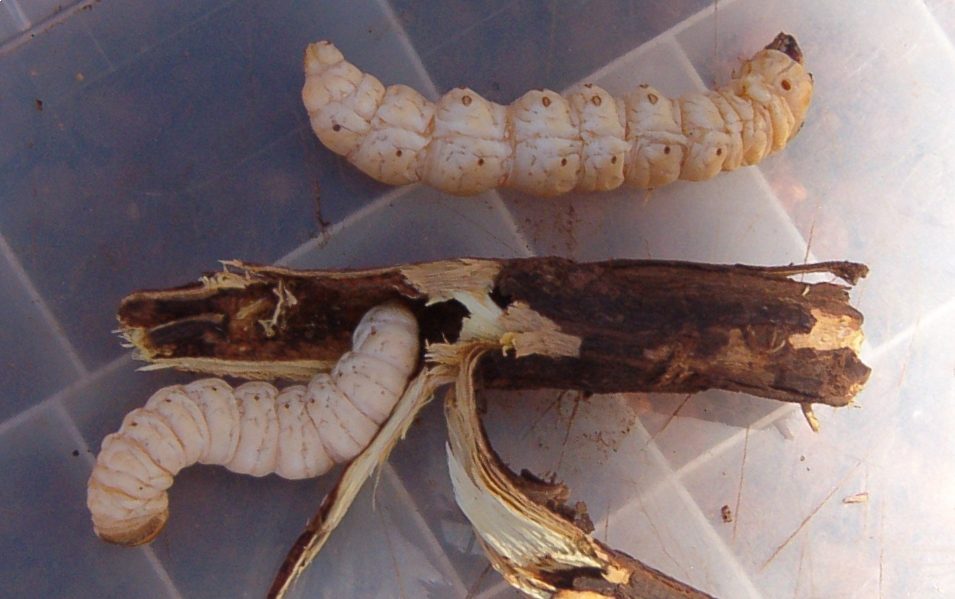
Photo by Sputnikcccp, Wikimedia Commons (CC BY-SA 3.0)
"Witchetty grub" probably comes from Adnyamathanha (the language of the Flinders Ranges in South Australia), from wityu (hooked stick) and vartu (grub); some sources instead suggest Arabana witjuti (witchetty bush).
Witchetty grubs are the larvae of cossid wood moths; the best-known is Endoxyla leucomochla, which feeds on the roots of the witchetty bush (Acacia kempeana). When lightly barbecued over hot coals, their skin crisps like roast chicken and the inside turns light yellow like fried egg; raw grubs taste almond-like.
“The bush survival guide showed the campers how to find witchetty grubs in the roots of the witchetty bush.”
How Aussies Actually Use It
Universally recognised as the ultimate symbol of authentic Australian bush tucker.
A classic rite-of-passage taste test for visitors, outback adventurers, and survival students.
📚 Sources & Further Reading
- Borrowings from Aboriginal Languages — Australian National Dictionary Centre, ANU
- List of English words of Australian Aboriginal origin — Wikipedia
- Witchetty grub - Wikipedia
Part of our Aboriginal Loanwords collection →
🎓 Want to sound like a true Aussie?
Watch Down Under English on YouTube for real Australian pronunciation, slang lessons, and culture — taught by an Australian educator.
Watch on YouTube →