Where "Bunya" Comes From
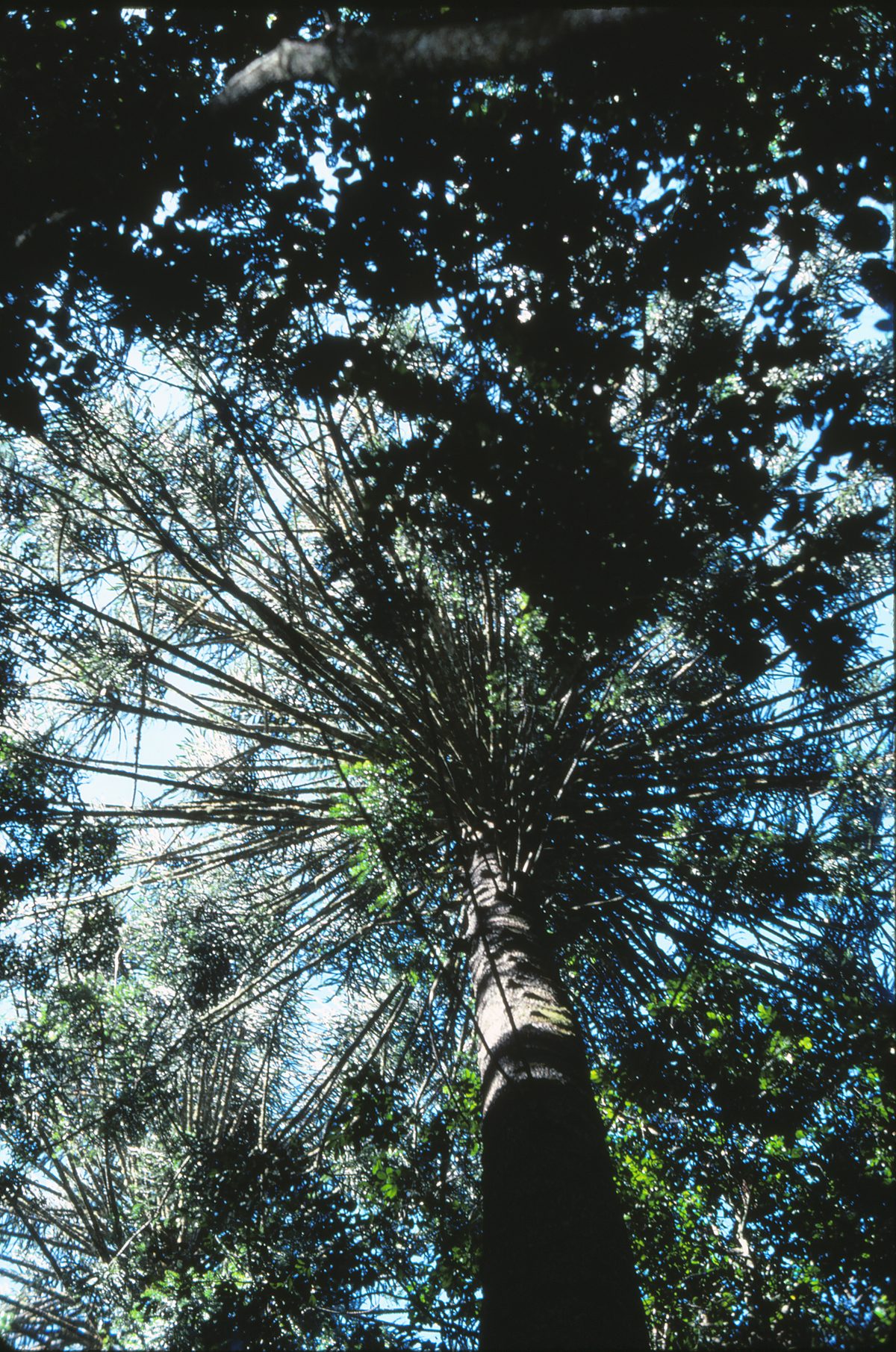
Photo by John Robert McPherson, Wikimedia Commons (CC BY-SA 4.0)
"Bunya" (or bunya-bunya) comes from Aboriginal languages of south-east Queensland (Wikipedia records Gubbi Gubbi bonye), where the name referred to this majestic ancient tree.
Its female cones can weigh up to 10 kilograms, packed with dozens of large edible seeds (each cone has roughly 50-100 seed-bearing segments). Historically, the bumper fruiting of the bunya pines triggered large gatherings in the Bunya Mountains every few years, where people from many groups travelled long distances for feasting, ceremony and social and political business.
“Indigenous nations gathered every few years in the Bunya Mountains for great celebratory feasts and ceremonies.”
How Aussies Actually Use It
Bunya nuts are widely used today in Australian modern bush tucker cuisine — boiled, roasted, ground into flour, or brewed in craft beer.
Gave its name to the Bunya Mountains National Park, Queensland's second oldest national park.
📚 Sources & Further Reading
- Borrowings from Aboriginal Languages — Australian National Dictionary Centre, ANU
- List of English words of Australian Aboriginal origin — Wikipedia
- Araucaria bidwillii - Wikipedia
- Bunya Mountains National Park - Wikipedia
- Bunya pines are ancient, delicious and possibly deadly - The Conversation
Part of our Aboriginal Loanwords collection →
🎓 Want to sound like a true Aussie?
Watch Down Under English on YouTube for real Australian pronunciation, slang lessons, and culture — taught by an Australian educator.
Watch on YouTube →