Where "Humpy" Comes From
"Humpy" comes from the Yagara Aboriginal language of the Brisbane region — specifically from the Yagara word "ŋumbi," meaning a makeshift shelter of bark and branches. The English spelling shifted toward "humpy," possibly reinforced by the shape of the structure's profile and the English word "hump." The Jagera people (whose language is Yagara) are the traditional owners of territories from Moreton Bay to the Toowoomba ranges, including what is now Brisbane.
In colonial-era Australian English, "humpy" broadened to describe any rough, improvised hut or temporary shelter — not only Aboriginal bark shelters but any makeshift bush dwelling built by settlers, drovers, or itinerant workers. The word survives in contemporary Australian English as a general term for a rough or ramshackle dwelling, carrying both its specific Aboriginal origin and its broader colonial-era usage.
Source: Wikipedia — "Humpy"
"They knocked up a humpy out of tin and branches."
How Aussies Actually Use It
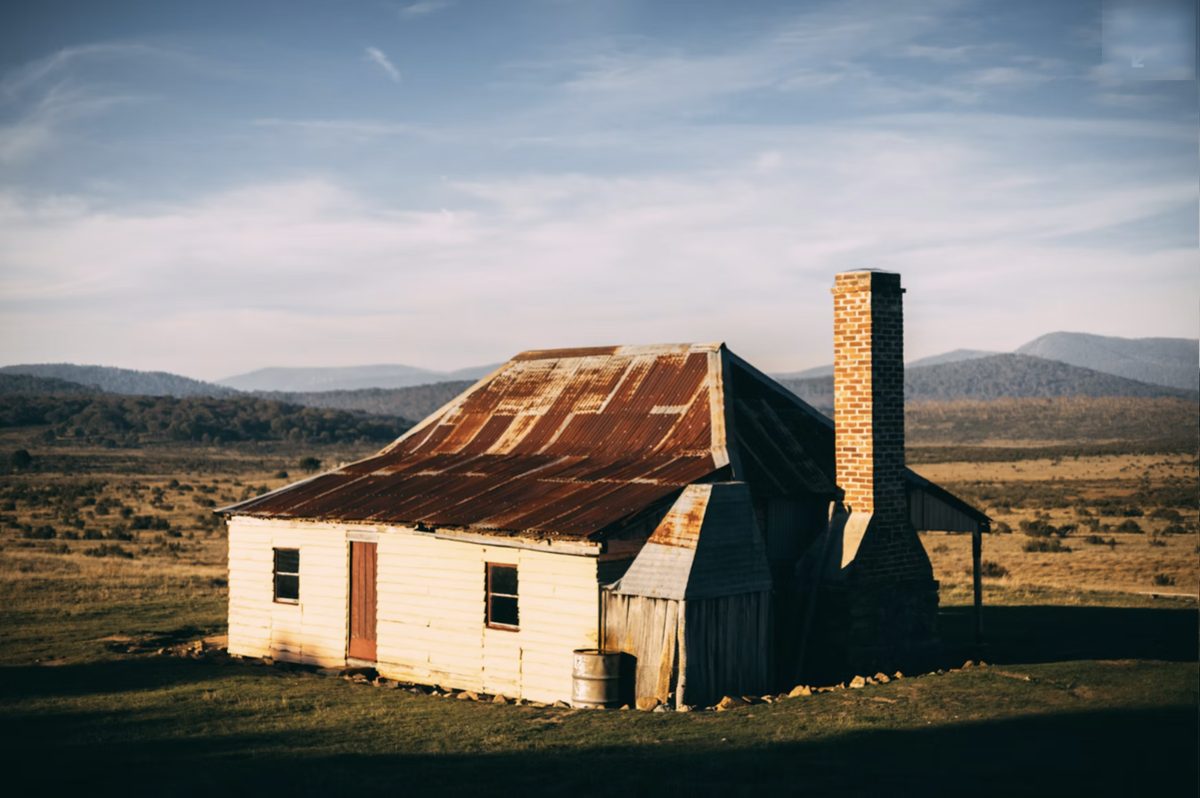
Photo by Matthew McLennan on Unsplash
It's used for any basic, rustic shelter, especially in rural or bush settings.
It carries a slightly humble, no-frills connotation compared to a proper house.
🎓 Want to sound like a true Aussie?
Watch Down Under English on YouTube for real Australian pronunciation, slang lessons, and culture — taught by an Australian educator.
Watch on YouTube →