Where "Pademelon" Comes From
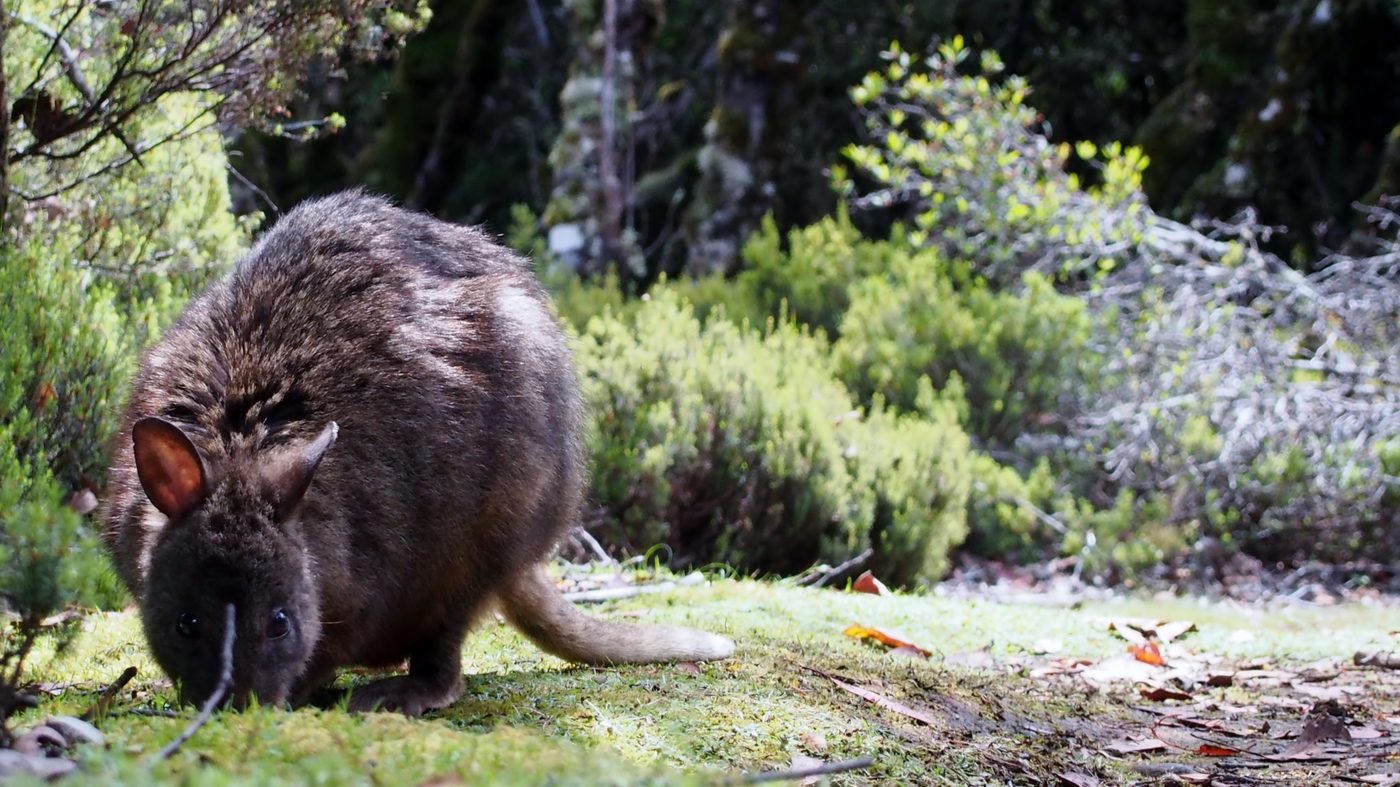
Photo by Simondg16, Wikimedia Commons (CC BY-SA 4.0)
"Pademelon" (historically spelled paddymelon or padymelon) comes from Dharug badimaliyan, recorded by British colonists in the Sydney basin in the early 1800s.
Pademelons shelter in thick vegetation by day and come out at dusk and through the night to feed on grasses, herbs and green shoots, usually staying near the forest edge.
“A red-necked pademelon hopped cautiously out from the rainforest canopy onto the grassy edge at sunset.”
How Aussies Actually Use It
Commonly seen in rainforest national parks along the east coast of New South Wales, Queensland, and across Tasmania.
📚 Sources & Further Reading
- List of English words of Australian Aboriginal origin — Wikipedia
- pademelon - Wiktionary
- Tasmanian pademelon - Wikipedia
- Red-necked pademelon - Wikipedia
Part of our Aboriginal Loanwords collection →
Say It Like an Aussie
Say it: PAD-ee-MEL-un.
In conversation:
- We spotted a pademelon on the rainforest walk.
- Pademelons come out at dusk in Tassie.
- A pademelon hopped across the track in front of us.
Good to know: Don’t confuse it with a wallaby. Pademelons are smaller and stockier, and you’ll often find them in dense, damp forest.
🎓 Want to sound like a true Aussie?
Watch Down Under English on YouTube for real Australian pronunciation, slang lessons, and culture.
Watch on YouTube →