Where "Brolga" Comes From
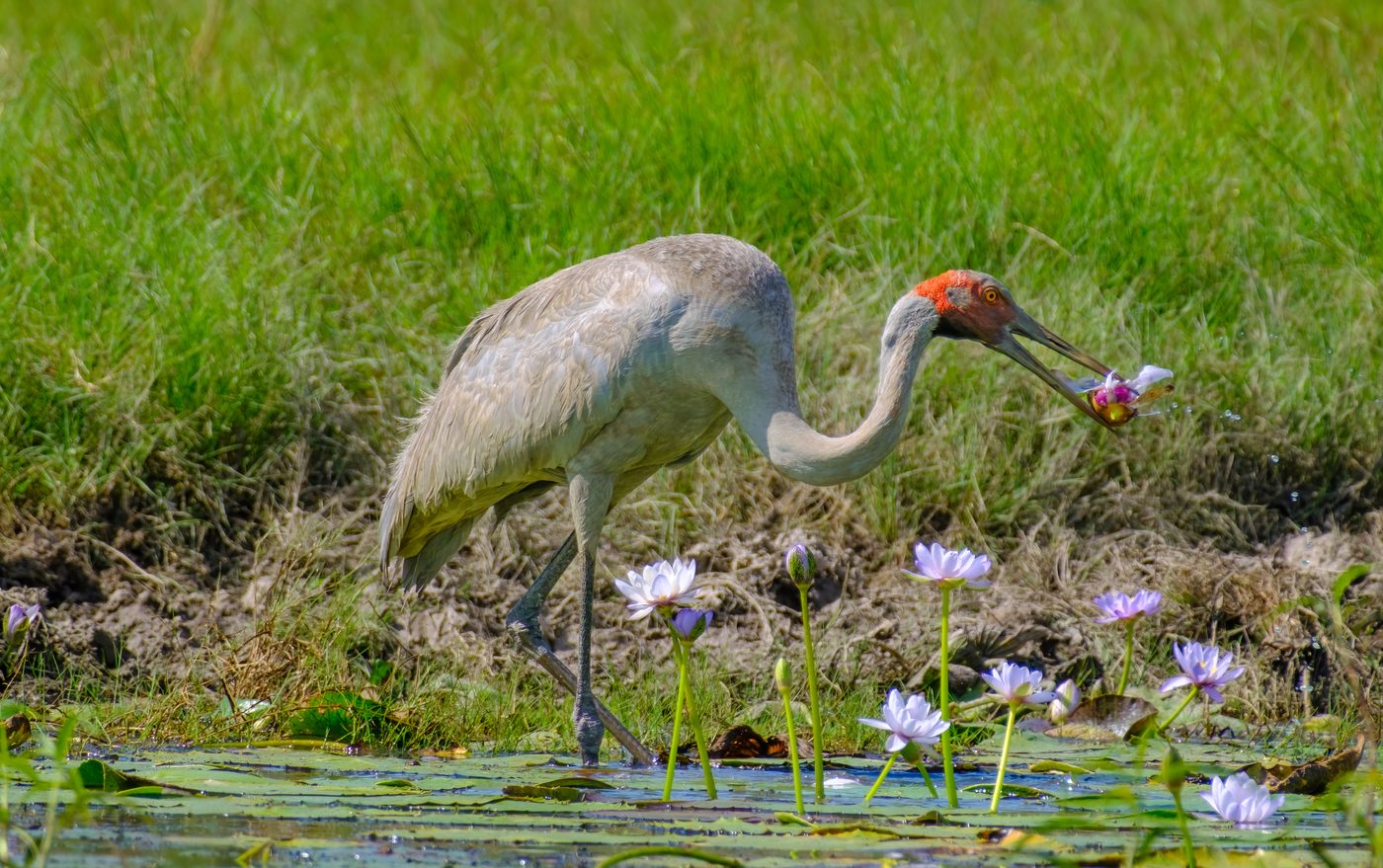
Photo by Longboardfella, Wikimedia Commons (CC BY-SA 4.0)
"Brolga" comes from Gamilaraay (Kamilaroi), an Aboriginal language of inland northern New South Wales and southern Queensland, where the native crane was called burralga. First recorded in English in the late 1890s (Dictionary.com: 1895-1900); the Royal Australasian Ornithologists Union adopted it as the official name in 1926.
Early European settlers initially dubbed the bird the "native companion" in early colonial times, but the name "brolga", from Gamilaraay burralga, later became the standard name and became standard across Australian English.
“A pair of brolgas were performing their graceful leaping dance out on the wetland plains.”
How Aussies Actually Use It
Brolgas (Antigone rubicunda) are famous throughout the Top End and eastern wetlands for their breathtaking courtship dances — bowing, tossing grass in the air, and leaping metres above the ground.
The brolga and its dance feature in the stories and dances of some Aboriginal peoples; details differ between nations and are best learned from the communities themselves.
📚 Sources & Further Reading
- Australian National Dictionary Centre, ANU
- List of English words of Australian Aboriginal origin — Wikipedia
- Brolga - Wikipedia
- brolga - Dictionary.com
Part of our Aboriginal Loanwords collection →
🎓 Want to sound like a true Aussie?
Watch Down Under English on YouTube for real Australian pronunciation, slang lessons, and culture — taught by an Australian educator.
Watch on YouTube →